
Buy Prednisolone in Online Pharmacy in the United Kingdom
- Home/
- Buy Prednisolone in Online Pharmacy in the United Kingdom
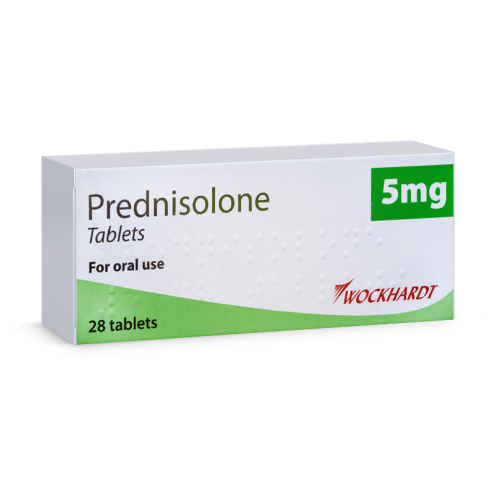
| Medication Name | Prednisolone |
|---|---|
| Main Active Compound | Prednisolone |
| Therapeutic Use | Treatment of inflammation and autoimmune conditions |
| Range of Dosages | 1 mg, 5 mg, 10 mg, 20 mg tablets; liquid form available |
| How Quickly It Works | Typically within several hours to a day |
| How Long the Effect Lasts | Effects generally last 12–36 hours depending on dose |
| Usual Frequency of Dosing | Once daily or divided doses as prescribed |
| Prescription Requirement in UK | Prescription-only medicine |
| Average Cost in United Kingdom | Approximately £2–£15 per pack, depending on strength and brand |
Prednisolone for Inflammation: What to Know in United Kingdom
Prednisolone is a corticosteroid medication commonly prescribed for a wide variety of inflammatory and autoimmune conditions. In the United Kingdom, it is a well-recognised treatment that is available by prescription and dispensed by regulated pharmacies. This guide will walk you through what Prednisolone is, how it works, and what to consider before making a decision about its use.
Inflammation: How Common and Treatable Is It?
Inflammation forms the basis of many medical complaints, ranging from short-term reactions like asthma flares to persistent autoimmune diseases. According to NHS Digital, over 15 million people in the UK live with at least one long-term inflammatory condition such as asthma, inflammatory arthritis, or inflammatory bowel disease (NHS Digital, 2023). These conditions can affect day-to-day life, but the availability of effective treatments—including medications like Prednisolone—means that most people are not alone in facing these challenges, and improvement is often possible with the right approach. Recognising symptoms and seeking treatment are important first steps, and there are established pathways in United Kingdom healthcare for accessing support.
How Prednisolone Addresses Inflammation—Mechanism and What to Expect
Prednisolone works by imitating natural hormones produced by your adrenal glands called corticosteroids, which regulate your body’s response to inflammation. When inflammation occurs, your immune system sends cells and chemicals to affected areas, causing redness, swelling, heat, and sometimes pain. Prednisolone decreases the activity of these immune cells and blocks key chemicals that drive inflammatory processes—such as prostaglandins and cytokines—resulting in reduced swelling and discomfort.
- Physiological effect: Prednisolone enters the bloodstream, travels to cells involved in immune reactions, and slows down or stops their actions.
- Practical outcome: Many people notice relief from symptoms like joint pain, skin rashes, or breathing difficulties within a few hours to a day after starting the medication.
- Duration: While the calming effect on inflammation can be rapid, some chronic conditions may require ongoing or repeated courses under medical supervision to control flare-ups.
The degree and speed of relief depend on the severity and type of your underlying condition, as well as the prescribed dose.
Choosing Prednisolone: Is It the Right Option for Your Situation?
| Your Situation | Is Prednisolone Suitable? | Reason |
|---|---|---|
| You have a severe flare of asthma, inflammatory arthritis, or autoimmune disease, and your doctor recommends Prednisolone. | Yes | Prednisolone is effective for controlling acute inflammation and is recommended in guidelines for these scenarios. |
| You need rapid symptom relief for an inflammatory skin or allergic condition not improving with mild treatment. | Often | It is commonly prescribed when topical or non-steroidal measures are insufficient, but requires medical oversight due to risks with long-term use. |
| You have poorly controlled diabetes, active infection, or untreated high blood pressure. | No (with exceptions) | Prednisolone can worsen blood sugar and infections—alternative treatments or extra precautions may be needed. Consult your doctor first. |
| You are searching for a quick treatment without seeing a doctor, or looking for Prednisolone without prescription. | No | This medication requires professional assessment and monitoring due to significant side effects and potential risks if misused. |
In summary, Prednisolone is well-suited for moderate to severe inflammatory episodes under medical guidance, but not appropriate for every situation or for unmonitored self-treatment.
Practical Guidance: Using Prednisolone in Everyday Life
- Timing: Take Prednisolone in the morning with or after food to reduce the risk of stomach irritation.
- Missed dose: If you forget a dose and remember within a few hours, take it as soon as possible. If it is nearly time for your next dose, skip the missed dose. Never double up.
- If you do not notice improvement: Some conditions may take several days to respond. If your symptoms persist or worsen, contact your prescriber rather than adjusting the dose yourself.
- Stopping treatment: Do not stop Prednisolone suddenly if you’ve been on it for more than a few weeks—your body may need to adjust gradually under medical supervision.
- What’s normal: Slight mood changes, increased appetite, or mild digestive upset can occur. These often resolve as your body adjusts.
- What needs attention: Severe mood swings, vision changes, persistent vomiting, or signs of infection (fever, sore throat) should prompt a call to your GP.
Prednisolone is usually provided as tablets, but liquid forms are available for children or people unable to swallow pills. If you have special dietary needs, ask your pharmacist about sugar-free or dye-free formulations. The UK regulator—the Medicines and Healthcare products Regulatory Agency (MHRA)—ensures all versions dispensed in the UK meet safety and quality standards.
Contraindications: Who Should Avoid Prednisolone?
- Uncontrolled infections: Prednisolone suppresses immunity, which can worsen infections like tuberculosis or untreated bacterial/viral illnesses.
- Allergy to corticosteroids: People with known hypersensitivity reactions to Prednisolone or other corticosteroids should avoid use.
- Severe mental health conditions: High doses may trigger or worsen psychiatric issues, so caution and alternative treatments may be needed.
- Active peptic ulcers: Prednisolone can aggravate stomach ulcers, so other therapies are preferable for those with active ulcers.
Other factors—such as recent vaccinations with live viruses, osteoporosis, or poorly controlled diabetes—require careful risk assessment and closer monitoring. Always discuss your full medical history with your doctor before starting a corticosteroid.
Side Effects: What Might Happen and When to Seek Help
- Common and usually mild (often resolve): Increased appetite, mood swings, mild stomach upset, difficulty sleeping.
- Occasional and may require medical review: Elevated blood sugar, increased blood pressure, fluid retention, skin thinning, bruising, slower wound healing.
- Rare but serious (seek urgent help): Severe allergic reactions (swelling of lips, face, difficulty breathing), sudden vision loss, severe abdominal pain, or black/tarry stools. If these symptoms appear, contact NHS 111 or in emergencies call 999 in the United Kingdom.
Most side effects are dose-dependent and can be managed by adjusting therapy. Long-term use carries higher risks, and regular check-ups are advised for those on extended courses.
Drug Interactions: What Should Not Be Combined?
Prednisolone can interact with many other medications and supplements. Notable examples include:
- Non-steroidal anti-inflammatory drugs (NSAIDs): Taking with ibuprofen or aspirin increases the risk of stomach ulcers.
- Diabetes medications: Prednisolone may reduce their effectiveness, requiring dose changes.
- Anticoagulants (blood thinners): Effects may be altered, increasing bleeding or clotting risks.
- Live vaccines: Effectiveness can be reduced and risk of infection increased.
Always inform your healthcare provider and pharmacist about all medicines and supplements you are taking. Your doctor may adjust doses or recommend additional monitoring to ensure safety.
“In clinical practice, one of the most important conversations I have with patients is about how Prednisolone might fit in with their other medications and health conditions. If there is ever any doubt, we review all existing treatments before prescribing.” — Dr. Alice Graham, Consultant in Clinical Immunology, United Kingdom
How Does Prednisolone Compare? Alternatives and When to Choose Each
| Medication | Main Use | Strengths | Limitations |
|---|---|---|---|
| Prednisolone | Moderate to severe inflammation, rapid control needed | Fast-acting, widely available, effective in most acute scenarios | Not for long-term use without close monitoring, significant side effects with misuse |
| Non-steroidal anti-inflammatory drugs (NSAIDs) | Mild to moderate inflammation, pain relief | Good for short-term symptoms, fewer systemic effects | Not strong enough for severe flares, can cause stomach and kidney issues |
| Other corticosteroids (e.g., dexamethasone, methylprednisolone) | Similar conditions, sometimes preferred for specific cases | Different dosing or duration profiles, may be used if Prednisolone is not tolerated | Side effect profiles may vary; not always a direct swap |
| Biologic agents (e.g., adalimumab, infliximab) | Chronic autoimmune diseases unresponsive to steroids | Targeted mechanism, suitable for long-term control | Expensive, require hospital prescribing, risk of infection |
| Topical treatments or inhalers | Localised symptoms (skin, lungs) | Fewer systemic effects, suitable for mild cases | Not effective for widespread or severe inflammation |
Prednisolone is often the first choice for short-term, severe inflammatory episodes due to its rapid onset and established safety record when used appropriately. However, those with mild disease or who need long-term control may benefit from alternative treatments with a different risk profile. Personal circumstances, underlying health conditions, and how your symptoms respond to treatment all help determine the best option.
Buying Prednisolone in United Kingdom: What to Expect
Once you and your doctor have agreed that Prednisolone is appropriate, you may be looking for practical ways to obtain it. In the UK, Prednisolone is classed as a prescription-only medicine (POM). This means you generally cannot buy Prednisolone directly from a pharmacy without a valid prescription. However, some reputable online pharmacies and telemedicine providers, registered with the General Pharmaceutical Council (GPhC), allow you to order Prednisolone online after a remote consultation. It’s important to avoid sources that offer Prednisolone without prescription, as these often bypass essential safety checks and may not be legal or safe.
You can purchase Prednisolone from your local pharmacy with a prescription, or from a registered UK online pharmacy. Prices are generally affordable, especially for generic forms. If you are looking for Prednisolone cheap or want to compare costs, check both NHS prescription charges and private pharmacy prices—these vary depending on format and brand.
When buying Prednisolone in United Kingdom, expect a simple process: you provide your prescription (paper or electronic), and receive your medication with an information leaflet. For private online purchases, you may pay extra for the consultation and delivery.
| Cost item | Amount | Note |
|---|---|---|
| Doctor consultation (private/online) | £25–£60 | Included if using online pharmacy with telemedicine |
| Prescription cost (NHS England) | £9.65 per item | Standard NHS charge; exemptions may apply |
| Prednisolone medication (generic) | £2–£15 per pack | Depends on dose, brand, and pharmacy |
| Delivery (online pharmacy) | £3–£7 | Standard or express options |
| Total | £11.65–£82 | Range: NHS (in-person) to private online with delivery |
If you choose to buy Prednisolone online, always ensure the pharmacy is GPhC-registered and located in United Kingdom. Ordering Prednisolone without prescription from unregulated sources exposes you to risks of counterfeit or substandard medicines. Pharmacists are available to answer questions about Prednisolone in pharmacy settings, whether in person or online.
- To buy Prednisolone safely, use a reputable pharmacy with clear contact details and visible GPhC registration.
- If you need to order Prednisolone for repeat use, discuss with your doctor whether a longer prescription is appropriate.
- For those seeking Prednisolone cheap or looking for an affordable price, generic versions are widely available and often cost less than branded products.
- Prednisolone in United Kingdom is covered for many indications by the NHS, making it accessible for most people.
Remaining Questions: Can You Get Prednisolone Without a Prescription or Abroad?
Some websites claim to offer Prednisolone without prescription, but in United Kingdom, this is not allowed under law and carries significant risks. Medications sold outside regulated pharmacy channels may be counterfeit, expired, or improperly stored. If you are travelling or need to access your medication abroad, always carry a copy of your prescription and check the rules for entry into your destination country.
For any uncertainty about obtaining Prednisolone, your GP or community pharmacist is the best point of contact. The MHRA provides advice on buying medicines safely online and maintains a searchable register of authorised online pharmacies in United Kingdom. Being informed ensures you receive authentic, high-quality Prednisolone and avoid unnecessary risks.