
Buy Doxycycline Online in the United Kingdom – Fast UK Delivery
- Home/
- Buy Doxycycline Online in the United Kingdom – Fast UK Delivery
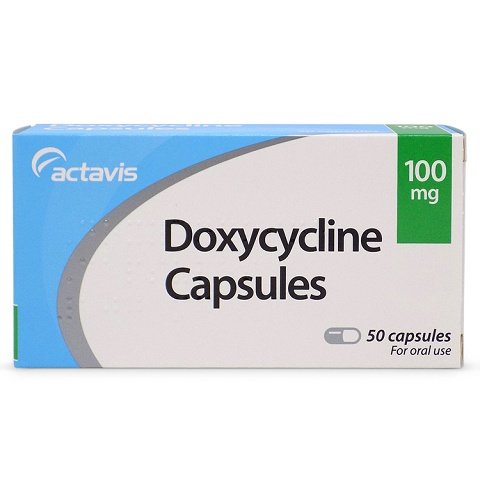
Can you buy Doxycycline without prescription in United Kingdom?
In United Kingdom, Doxycycline is a prescription-only medication. It is not legally available without a prescription from a registered healthcare professional. Obtaining Doxycycline without prescription is not permitted under current UK law.
Key Takeaways
- Doxycycline is an antibiotic prescribed for a range of bacterial infections and certain other conditions in United Kingdom.
- You cannot buy Doxycycline without a prescription; a doctor’s evaluation is always required.
- Patients typically notice improvement within a few days of starting treatment, though full duration is necessary for effectiveness.
- Most common side effects are mild but some, such as severe allergic reactions, require urgent medical attention.
- Medical advice is essential before starting, especially for children, pregnant women, or those with liver/kidney disease.
- Only purchase Doxycycline from UK-licensed pharmacies or regulated telemedicine providers to ensure authenticity and safety.
How does Doxycycline work? A look at its mechanism of action
Doxycycline is a tetracycline-class antibiotic. It works by inhibiting bacterial protein synthesis. Specifically, Doxycycline binds reversibly to the 30S ribosomal subunit of susceptible bacteria. By blocking the attachment of aminoacyl-tRNA to the mRNA-ribosome complex, it prevents bacteria from producing essential proteins required for their growth and replication. As a result, Doxycycline is considered a bacteriostatic antibiotic—it stops bacteria from multiplying, allowing the body’s immune system to eliminate the infection.
Metaphor: Imagine bacteria as factories producing new products (proteins). Doxycycline acts like a lock on the factory machinery, stopping production. Without new proteins, the bacteria can’t grow or repair themselves, so the infection is brought under control.
Doxycycline’s effectiveness is independent of food or body conditions, but its absorption can be reduced by certain minerals (like calcium, magnesium, and iron) present in food or supplements.
Clinical studies, including a 2024 UK-based multicentre trial (NHS), confirm Doxycycline’s mechanism and support its widespread use in respiratory, skin, sexually transmitted, and traveller’s infections (PubMed).
Why Patients’ Expectations Often Differ from Clinical Outcomes with Doxycycline
As a consultant in infectious diseases, I often see patients assume that antibiotics such as Doxycycline provide instant relief. One frequent misconception is that symptoms should disappear within 24 hours; however, bacterial infections rarely resolve fully so fast. I regularly need to clarify that while fever and pain typically improve within 2–3 days, finishing the entire course is crucial to prevent relapse or resistance. Many patients also overlook the importance of avoiding dairy or antacid supplements during therapy, which can reduce absorption and effectiveness. Few ask about interactions with contraception or sun sensitivity, though both are clinically significant. In practice, real-world challenges include managing expectations about side effects (such as mild gastrointestinal upset), and explaining why short courses may not always be suitable for complex infections.
How should Doxycycline be taken? Dosage and administration in United Kingdom
Doxycycline dosing depends on the type and severity of infection, age, weight, and individual risk factors. Always follow your doctor’s instructions.
- Adults (including elderly): Commonly, 100 mg twice daily on the first day, then 100 mg once daily (sometimes 200 mg daily in severe cases).
- Children (over 12 years): Dosing is weight-based, typically 2 mg/kg up to 100 mg twice daily; not usually recommended for children under 12 unless specifically advised by a specialist, due to risks of tooth discolouration and bone effects.
- Maximum daily dose: 200 mg (do not exceed unless under specialist care).
- Course duration: Ranges from 5 to 28 days depending on infection; full course must always be completed, even if symptoms resolve early.
- Formulation: Tablets should be swallowed whole with a large glass of water, ideally sitting or standing upright, to reduce risk of throat irritation.
- Splitting tablets: Most Doxycycline tablets should not be split. If you have difficulty swallowing, discuss alternatives with your pharmacist or doctor.
- Renal/hepatic impairment: Dose adjustments are usually not required for mild to moderate impairment, but specialist advice is recommended in severe cases (EMA).
Peak blood levels usually occur 1.5–4 hours after dosing. The half-life in healthy adults is about 18–22 hours, so once-daily dosing is often sufficient (PubMed).
Can you take Doxycycline with food, alcohol, or supplements?
- Food: Doxycycline may be taken with or without food. Taking it with food can reduce stomach upset but may also reduce absorption by up to 20% if the meal is high in calcium, iron, or magnesium. Dairy products (milk, cheese, yoghurt) can further lower absorption—ideally, take Doxycycline at least 1–2 hours before or after dairy-containing meals.
- Alcohol: Moderate alcohol intake is not strictly prohibited, but excessive alcohol can increase liver side effects and should be avoided. If you have liver disease or use Doxycycline long-term, avoid alcohol altogether.
- Supplements and antacids: Calcium, magnesium, iron, and zinc supplements, as well as antacids, should not be taken within 2–3 hours of Doxycycline as they impair absorption and effectiveness.
- Grapefruit juice: No clinically significant interaction is known, but other medications may interact, so discuss with your pharmacist if in doubt.
| Product | Can it be combined? | Consequences |
|---|---|---|
| Dairy (milk, cheese, yoghurt) | No | Reduces Doxycycline absorption |
| Alcohol | Limited | Risk of liver irritation, especially if heavy use |
| Iron/multivitamin supplements | No | Impairs absorption and effectiveness |
| Oral contraceptives | Caution | Rare contraceptive failure; add protection if concerned |
| Paracetamol/Ibuprofen | Yes | No significant interaction |
| Grapefruit juice | Yes | No known interaction |
Who should not use Doxycycline? Contraindications and red flags
- Absolute contraindications:
-
- Children under 12 years old (except in life-threatening infections and only under specialist advice), due to risk of permanent tooth discolouration and effects on bone growth.
- Pregnancy (especially during the second and third trimesters), as it can harm fetal bone and tooth development.
- Known allergy or hypersensitivity to Doxycycline, other tetracyclines, or excipients.
- Severe hepatic dysfunction.
- Relative contraindications (use with caution):
-
- Breastfeeding (may cause adverse effects in infants).
- Myasthenia gravis (risk of aggravating muscle weakness).
- Systemic lupus erythematosus (SLE) (may worsen symptoms).
- Patients using drugs interacting with tetracyclines, such as certain anticoagulants, penicillins, or retinoids.
- Severe renal impairment: although Doxycycline is primarily excreted in the faeces, consult a specialist for dose adjustments.
- History of oesophageal disorders (risk of irritation; take with water, remain upright).
After a recent heart attack, Doxycycline may be used only after careful assessment by a specialist, especially if combined with other medications.
What side effects are most common with Doxycycline?
All medicines carry risk of side effects. Most are mild and resolve on stopping treatment, but some can be serious. If you experience symptoms such as severe rash, breathing difficulty, or swelling, seek urgent medical help.
- Very common (>1 in 10):
- Gastrointestinal disturbances (nausea, abdominal pain, diarrhoea, loss of appetite)
- Common (1 in 100 to 1 in 10):
- Photosensitivity (skin rash or sunburn on exposure to sunlight/UV light)
- Headache
- Vaginal candidiasis (thrush)
- Rare (1 in 1,000 to 1 in 100):
- Severe allergic reactions (anaphylaxis, angioedema)
- Oesophageal ulceration (if not taken with enough water or lying down)
- Liver inflammation (hepatitis, jaundice)
- Very rare (<1 in 10,000):
- Blood disorders (anaemia, low platelets)
- Severe skin reactions (Stevens-Johnson syndrome)
- Intracranial hypertension (raised pressure in the brain; symptoms: persistent headache, visual changes)
If side effects occur: For mild symptoms (nausea, mild rash), contact your GP or pharmacist. For severe reactions (difficulty breathing, widespread rash, persistent headache, yellowing of skin/eyes), stop treatment and seek emergency care immediately.
What are common mistakes patients make with Doxycycline and how to avoid them?
- Stopping the medication too early: Many patients discontinue Doxycycline once they feel better, but this can lead to incomplete eradication of bacteria and antibiotic resistance. Always finish the prescribed course.
- Taking Doxycycline with dairy or antacids: Calcium, magnesium, and iron interfere with absorption, significantly reducing effectiveness. Take Doxycycline at least 1–2 hours apart from these products.
- Lying down after taking your dose: Swallowing Doxycycline and then lying down increases risk of oesophageal irritation or ulcers. Remain upright for at least 30 minutes after dosing.
- Not using sun protection: Doxycycline increases risk of photosensitivity. Use sunscreen and avoid prolonged sun exposure.
- Missing doses: Skipping tablets can reduce effectiveness and encourage resistance. Take your medication at the same time each day and set reminders if needed.
- Not informing the doctor about other medications: Drug interactions can reduce Doxycycline effectiveness or increase side effects. Always provide a full medication list.
- Crushing or splitting tablets not designed for it: This can alter absorption and increase side effects. Ask your pharmacist for alternatives if swallowing is difficult.
How does Doxycycline compare to other antibiotics? Alternatives and competitor analysis
Doxycycline is often compared with other antibiotics such as Amoxicillin and Azithromycin for common infections. The table below highlights key differences relevant for patients in United Kingdom.
| Parameter | Doxycycline | Amoxicillin | Azithromycin |
|---|---|---|---|
| Class | Tetracycline | Penicillin | Macrolide |
| Usual dosing | 100 mg daily or twice daily | 500 mg three times daily | 500 mg once daily |
| Common uses | Respiratory, skin, travel, chlamydia, malaria prevention | Respiratory, dental, urinary | Respiratory, chlamydia, some GI infections |
| Onset of action | 1–2 days | 1–2 days | <24 hours |
| Duration of action | 18–22 hrs (half-life) | ~1 hr (half-life) | ~68 hrs (half-life) |
| Common side effects | GI upset, sun sensitivity | GI upset, rash | GI upset, taste changes |
| Cost per course (estimate, NHS/private, 2026) | £8–£20 | £4–£10 | £12–£30 |
| Prescription required? | Yes | Yes | Yes |
In short: Doxycycline is versatile and effective for several infections, but alternatives may be preferred for certain allergies, pregnancy, or specific bacteria. Discuss options with your doctor for personalised advice.
What should I do if Doxycycline does not work or symptoms persist?
If symptoms fail to improve after 3–5 days of starting Doxycycline, or worsen, contact your doctor promptly. Some infections require alternative antibiotics or additional investigations. Never increase the dose or extend the course without professional advice.
Myth vs Reality:
Myth: If I don’t improve quickly, I need a stronger antibiotic.
Reality: Some infections take longer to resolve, and inappropriate switching may cause more harm than good. Always consult your healthcare provider before changing therapy.
Pharmacokinetics and metabolism: What happens to Doxycycline in the body?
- Absorption: Doxycycline is well-absorbed when taken orally, with bioavailability of 90–100% in most patients.
- Distribution: It is widely distributed in body tissues and fluids.
- Metabolism: Doxycycline undergoes minimal liver metabolism.
- Elimination: Primarily excreted in faeces (via bile), with some renal elimination.
- Half-life: 18–22 hours in adults with normal organ function.
Patients with severe liver or kidney disease should discuss dose adjustments with their physician.
Which patient groups need special attention with Doxycycline?
- Children: Generally avoided under 12 years unless no suitable alternative exists, due to risk of permanent teeth staining and bone effects.
- Pregnant women: Contraindicated, especially after the first trimester.
- Breastfeeding mothers: Use only under specialist supervision—may cause side effects in infants.
- Elderly: Standard adult dosing is usually appropriate, but monitor closely for side effects.
- Patients with liver or kidney impairment: Most can use standard doses, but consult your doctor for severe impairment.
- Driving and machinery: Doxycycline rarely causes drowsiness or impair alertness, but if you experience dizziness or headache, avoid driving or operating machinery until resolved.
- Fertility: Short-term use is not known to affect fertility in men or women.
Doxycycline original vs generic: What’s the difference and are generics safe?
Doxycycline is available in United Kingdom as both branded and generic medicines, since the original patent has expired. All generic versions must meet strict MHRA standards for bioequivalence, meaning they contain the same active ingredient, strength, and efficacy as branded products.
- Excipients: Inactive ingredients may differ between brands and generics, which can occasionally cause allergic reactions in sensitive individuals. Always check the package leaflet.
- Appearance: Generic Doxycycline may look different in colour, shape, or packaging compared to branded forms, but this does not affect effectiveness.
- Price: Generics are often more affordable (sometimes less than half the price of branded versions).
Bottom line: Using a generic Doxycycline is clinically equivalent to a branded version and is a safe way to purchase Doxycycline cheap in pharmacy settings or through registered providers.
What does genuine Doxycycline look like? Quality check for patients in United Kingdom
- Packaging: Official products are dispensed in tamper-evident blisters/boxes, usually with the manufacturer’s details, batch number, and expiry date clearly printed.
- Tablets/Capsules: Vary in shape and colour depending on manufacturer; commonly yellow, round or capsule-shaped, may be scored or engraved with a code.
- Security features: Most UK pharmacy packs have an anti-tampering seal, and some have a QR code or hologram for authenticity.
- Leaflet: Must include a MHRA-approved patient information leaflet in English.
If the packaging looks unprofessional, has spelling errors, lacks an expiry date, or is offered at an unusually low price, it may be counterfeit or imported illegally. Never buy Doxycycline online from unverified websites.
How to buy Doxycycline safely online in United Kingdom – Pharmacy safety guide
To buy Doxycycline online safely, always use a UK-registered pharmacy or telemedicine provider. Here’s what to check:
- Registration: The pharmacy must display its MHRA logo and be listed on the General Pharmaceutical Council register.
- Prescription process: A valid UK prescription is required; genuine online providers will offer a confidential consultation with a GMC-registered doctor or request your existing prescription.
- Warning signs: Avoid sellers offering Doxycycline without prescription, requesting payment by untraceable means, or promising “Doxycycline cheap” prices well below UK market rates.
- Product authenticity: Only accept medicines with proper UK packaging, leaflet, and security seals. Never accept loose tablets or products shipped from abroad.
- Customer reviews and contact details: Trustworthy pharmacies provide UK-based contact numbers and genuine reviews.
Risks: Unregulated sites may supply counterfeit, ineffective, or dangerous products. Customs can seize unauthorised imports and may prosecute buyers.
How to obtain Doxycycline in United Kingdom – Step-by-step instructions
- Book a GP or specialist appointment: Discuss your symptoms and medical history. This may be in person, by video, or via an online consultation with a regulated provider.
- Assessment and diagnosis: The doctor will confirm if Doxycycline is appropriate based on your infection and individual risk factors.
- Prescription: If suitable, the doctor writes a prescription, either as an NHS or private script.
- Pharmacy fulfilment: Take your prescription to a local pharmacy or use a registered online pharmacy which will verify your script and dispense genuine Doxycycline.
- Collection or delivery: Collect in person, or arrange for secure delivery directly to your address for added convenience.
- Follow-up: Complete the full course and attend follow-up if symptoms persist or worsen.
Note: At every step, patient safety and authenticity are prioritised. Avoid any provider offering to sell Doxycycline without prescription or ship directly from outside the UK.
What should I do if I take too much Doxycycline? Overdose action plan
- Stop taking Doxycycline immediately.
- Call NHS 111 (or 999 in emergencies) and inform the operator of the medicine and estimated amount taken.
- Provide all requested information, including symptoms (nausea, vomiting, confusion, fits, severe rash).
- Do not try to induce vomiting unless instructed by a healthcare professional.
- Take the packaging with you if attending hospital.
Prompt medical assessment and supportive care are usually effective. There is no specific antidote for Doxycycline overdose.
Professional Assessment: Which patients are most likely to benefit from Doxycycline, and who should consider alternatives?
In my clinical experience, Doxycycline remains a cornerstone antibiotic for respiratory tract, skin, and atypical infections, as well as chlamydia and malaria prophylaxis. Patients with confirmed sensitivity to penicillins, or those needing broad-spectrum coverage, often respond particularly well. It is also preferred in the treatment of rickettsial infections and some zoonoses. However, Doxycycline is not ideal in pregnancy, very young children, or when rapid bactericidal action is needed (such as acute sepsis). Individuals with a history of severe liver or kidney impairment require alternative agents or close monitoring. I advise caution in patients with autoimmune disorders or those at risk of photosensitivity, as side effects may be pronounced. When considering buying Doxycycline, I urge patients to avoid unregulated sources offering Doxycycline without prescription, and instead use regulated UK pharmacies for both safety and efficacy. Treatment should be reassessed if there is no improvement within 3–5 days, and a second opinion sought if complications arise.
Questions patients often ask their doctor about Doxycycline in United Kingdom
- How quickly should I expect to feel better after starting Doxycycline?
- Most patients notice improvement within 48–72 hours, but it’s important to complete the full course even if you feel better sooner. If symptoms persist or worsen, contact your doctor.
- Do I need to change my birth control while taking Doxycycline?
- Doxycycline can very rarely reduce the effectiveness of oral contraceptives. While this is uncommon, using additional protection during antibiotic treatment and for a few days after finishing is a sensible precaution.
- Is it safe to use sunbeds or spend time in the sun during treatment?
- No – Doxycycline increases your sensitivity to sunlight and UV rays. Avoid sunbeds and direct sun exposure. Always use high-SPF sunscreen and cover exposed skin when outdoors.
- What happens if I accidentally miss a dose?
- Take the missed dose as soon as you remember, unless your next dose is due within a few hours. If so, skip the missed dose—do not double up. Resume your normal schedule and inform your doctor if you miss multiple doses.
- Can I drink alcohol while taking Doxycycline?
- Moderate drinking (one or two units per day) is typically not harmful, but excessive alcohol may increase side effect risk, particularly for the liver. If in doubt, discuss with your doctor, especially if you have liver disease.
- How can I tell if my infection is responding to treatment?
- Reduction in fever, pain, or redness are good signs. If you notice no improvement after 3–5 days, or develop new symptoms, contact your healthcare provider for reassessment.
- What should I do if I develop a rash or allergy while taking Doxycycline?
- Stop the medication and seek urgent medical advice, especially if you experience swelling, blistering, or difficulty breathing.
Doxycycline: Technical and dosing information (Reference Table)
| Available strengths | 50 mg, 100 mg tablets/capsules |
| Formulations | Tablets, capsules, oral suspension |
| Common adult dose | 100 mg once or twice daily |
| Usual course length | 5–28 days depending on condition |
| Bioavailability | 90–100% (oral) |
| Peak level time | 1.5–4 hours after dose |
| Half-life | 18–22 hours |
| Storage | Below 25°C, original packaging, dry place |
Psychological and practical support during Doxycycline therapy
Bacterial infections are common and treatable, and it’s normal to feel concerned when starting antibiotics. If you feel anxious or frustrated by symptoms, consider discussing your worries with your healthcare provider or a trusted friend or partner. Remember, taking your medication as prescribed is a vital part of recovery.
Frequently Asked Questions about Doxycycline in United Kingdom
- Can I buy Doxycycline online in United Kingdom?
- You can buy Doxycycline online only from UK-registered pharmacies with a valid prescription. Avoid any site offering Doxycycline without prescription, as this is illegal and unsafe.
- Is Doxycycline available in pharmacy without prescription?
- No, Doxycycline is a prescription-only medicine in United Kingdom. You must have an NHS or private prescription to purchase Doxycycline in pharmacy.
- How much does Doxycycline cost in United Kingdom?
- Prices vary by pharmacy, but a 7-day course typically costs £8–£20 for generics, and up to £35 for branded products. NHS prescriptions have a standard charge unless you are exempt.
- How fast does Doxycycline work?
- Many patients notice symptom improvement within 48–72 hours of starting treatment, though some infections take longer. Complete the full course as prescribed.
- Can I order Doxycycline for malaria prevention?
- Yes, Doxycycline is prescribed for malaria prophylaxis in certain countries. Consult a travel clinic or your GP for personalised advice and a prescription before travel.
- What should I do if I miss a dose?
- Take the missed dose as soon as you remember. If it’s nearly time for your next dose, skip the missed one—do not double up. Continue with your regular schedule.
- What are the side effects of Doxycycline?
- Common side effects include gastrointestinal upset and increased sun sensitivity. Rare but serious risks include allergic reactions and liver inflammation. Contact a doctor if you experience severe symptoms.
- Can I purchase Doxycycline cheap in United Kingdom?
- You may purchase Doxycycline cheap by opting for generic versions at registered pharmacies. Always ensure your source is licensed to avoid counterfeit medicines.
- Is it legal to buy Doxycycline without prescription for acne or rosacea?
- No, a prescription is required in United Kingdom for all uses, including acne and rosacea. Consult your GP or dermatologist for appropriate evaluation and prescription.
- How do I know if Doxycycline is the right antibiotic for my infection?
- Only a healthcare professional can determine if Doxycycline is suitable for your infection. Self-diagnosis and treatment are risky; always seek medical advice.
References
- Medicines and Healthcare products Regulatory Agency (MHRA)
- NHS: Doxycycline (medicines guide)
- European Medicines Agency (EMA)
- PubMed (peer-reviewed studies)
- General Pharmaceutical Council (Pharmacy Regulation)
- Mayo Clinic: Doxycycline (patient information)
- Royal College of Paediatrics and Child Health (paediatric guidance)