
Buy Glucophage Without Prescription in the United Kingdom Online
- Home/
- Buy Glucophage Without Prescription in the United Kingdom Online
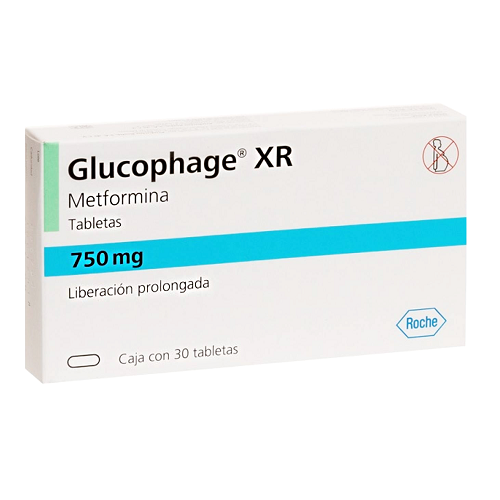
| Medicine Name | Glucophage |
|---|---|
| Main Substance | Metformin |
| Intended Use | Control of blood sugar in Type 2 Diabetes |
| Strength Options | 500mg, 850mg, 1000mg |
| How Soon It Acts | Within 2–3 hours after taking |
| How Long Its Effect Lasts | Approximately 8–12 hours per dose |
| Daily Use or As Needed? | Taken daily as prescribed |
| Need for Prescription in the UK | Prescription usually required |
| Average Cost in UK Pharmacies | £6–£12 per 28 tablets (varies by brand and pharmacy) |
Glucophage treatment for Type 2 Diabetes in the United Kingdom
Glucophage is a widely used medication for managing Type 2 Diabetes, with Metformin as its active component. It is approved for use in the United Kingdom for lowering blood glucose levels and improving metabolic control. This treatment is available legally across the UK and is a central part of many diabetes management plans.
How common—and manageable—is Type 2 Diabetes in the United Kingdom?
Type 2 Diabetes is one of the most prevalent chronic conditions faced by adults in the UK. According to Diabetes UK, 2023, over 4.3 million people in the UK are diagnosed with diabetes, with around 90% of those cases being Type 2. The NHS has established clear, systematic pathways for managing this condition, and research shows that most people can achieve significant control over their glucose levels with the right combination of medication, diet, and activity. Knowing that millions share this challenge—and that established, effective treatments like Glucophage exist—can help reduce the feeling of isolation and uncertainty that often accompanies a new diagnosis.
How does Glucophage actually help control Type 2 Diabetes?
Glucophage works by targeting the underlying processes that cause high blood sugar. Its active ingredient, Metformin, primarily acts in the liver to reduce the amount of glucose your body releases into the bloodstream. At the same time, it increases your cells’ sensitivity to insulin, helping your body use its own insulin more efficiently. This dual action results in a gradual, steady reduction in blood glucose levels.
- Liver action: Normally, your liver releases glucose, especially between meals. Metformin dampens this output, so less sugar enters your blood.
- Insulin sensitivity: Many people with Type 2 Diabetes have insulin resistance, which means their cells ignore insulin’s signals. Metformin helps reverse this resistance, so your body’s own insulin is more effective.
- Patient experience: Most people won’t notice an immediate feeling of change, but regular use leads to lower and more stable blood sugar readings, reducing risks of complications like nerve damage or eye disease.
Unlike some other diabetes medications, Glucophage does not cause the body to secrete more insulin, so it has a very low risk of causing dangerously low blood sugar (hypoglycaemia) when used on its own.
Is Glucophage the right choice for me? Practical scenarios
| Your Situation | Should you consider Glucophage? | Notes |
|---|---|---|
| Recently diagnosed with Type 2 Diabetes, not on any medication | Yes, commonly the first-line option | Because it is effective, affordable, and generally well tolerated |
| Blood sugar still high despite diet and exercise | Yes, often recommended as the next step | Glucophage helps lower blood glucose when lifestyle changes alone aren’t enough |
| Already taking other oral diabetes medications | Possibly, in combination or as a switch | Doctor may add or substitute it depending on your blood sugar control and tolerance |
| History of kidney problems or advanced liver disease | No, generally not recommended | Metformin can accumulate in cases of kidney impairment, increasing risk of rare but serious side effects |
| Pregnant or planning pregnancy | Not routinely recommended | Only used in certain pregnancy cases under specialist advice |
This table should help you see which category most closely matches your situation. If you are unsure, your GP or diabetes nurse can help clarify which approach best suits your health status, especially if you have co-existing health conditions.
Applying Glucophage in daily life: what to expect and how to manage
Glucophage is typically prescribed to be taken once or twice daily, depending on your specific blood sugar profile and the formulation provided (immediate or extended release). For most people, it’s best taken with meals to reduce the risk of stomach upset. If you accidentally miss a dose, skip it and take your next scheduled dose—do not double up, as this does not improve control and increases side effect risk.
- If you notice no improvement: It can take several weeks to see full benefits in your blood sugar readings. Continue monitoring your glucose as instructed, and let your healthcare provider know if your numbers remain high after a month.
- Dealing with side effects: Mild stomach upset, such as nausea or diarrhoea, is common initially. Taking Glucophage with food often helps. These effects usually lessen over time, but if severe or persistent, consult your doctor.
- Other medications: Keep your doctor informed about all other drugs or supplements you take, as some may interact with Metformin and affect blood sugar or kidney function.
- Travel and routine changes: Glucophage is portable and stable at room temperature. Keep a small supply in your hand luggage if travelling. Maintain your dosing schedule as closely as possible.
- When to seek help: If you experience symptoms such as severe abdominal pain, deep or rapid breathing, unusual sleepiness, or confusion, seek medical advice immediately—these could be signs of a rare side effect called lactic acidosis.
Remember, consistency is key: skipping doses or frequent changes in routine can undermine the effectiveness of your diabetes management.
Can anyone take Glucophage? Understanding contraindications
Glucophage is not suitable for everyone. The most important contraindications are:
- Severely reduced kidney function: Metformin is cleared by the kidneys; if your kidneys don’t work well, the medication can build up and cause harm.
- Severe liver disease: The risk of lactic acidosis is increased in those with seriously impaired liver function.
- History of lactic acidosis: Anyone who has experienced this rare but dangerous complication in the past should not use Metformin.
- Excessive alcohol use: Large quantities of alcohol, especially in binge drinking, increase risk of serious side effects when combined with Glucophage.
- Pregnancy and breastfeeding: Not routinely recommended except under specialist care, as safety data is still evolving.
Your GP will usually check your kidney and liver function with a blood test before starting Glucophage. If you aren’t sure about your eligibility, ask for these tests before beginning treatment or buying Glucophage in United Kingdom.
What side effects can occur, and how serious are they?
Most people tolerate Glucophage well, but certain side effects are relatively common, especially when starting:
- Frequent, mild: Stomach upset, nausea, loose stools, metallic taste—often diminish after a few weeks or when taken with food.
- Occasional: Bloating, mild appetite loss, or rash.
- Rare but serious: Lactic acidosis, a build-up of lactic acid in the blood, which can be life-threatening. Symptoms include deep, rapid breathing, severe weakness, drowsiness, confusion, or severe abdominal pain. If you experience any of these, seek immediate medical attention by calling NHS 111 or, in emergencies, 999 in the United Kingdom.
Clinical note: “As a diabetes specialist in the UK, I find that most patients adapt to Glucophage within a few weeks. Persistent or severe stomach symptoms that do not improve with food or dose adjustment should always prompt a review,” notes Dr. Neil Patel, Consultant in Diabetes & Endocrinology, London.
Allergic reactions are rare, but if you notice swelling of the face/tongue or difficulty breathing, these are medical emergencies. Always inform your healthcare provider about any new or worrying symptoms.
Does Glucophage interact with other medications?
Some medicines and health conditions can affect how Glucophage works, or increase the risk of side effects. Notable interactions include:
- Certain blood pressure drugs (ACE inhibitors, diuretics): Can influence kidney function, possibly altering Metformin clearance.
- Contrast dyes for X-ray scans: Can temporarily affect kidney function; Glucophage may need to be paused before and after these procedures.
- Other diabetes medications (insulin or sulfonylureas): May increase risk of low blood sugar, though Glucophage alone rarely causes this.
- Alcohol: Excess intake heightens the risk of lactic acidosis.
Always let your healthcare provider know about all your medicines—including over-the-counter and herbal supplements—before starting Glucophage. This helps avoid unexpected interactions that could compromise your health or glucose control.
How does Glucophage compare to other options for Type 2 Diabetes?
| Medication | How it works | Main advantages | Main limitations | Best for |
|---|---|---|---|---|
| Glucophage (Metformin) | Reduces liver glucose production; increases insulin sensitivity | Low cost; low hypoglycaemia risk; weight-neutral or slight weight loss | Not suitable for advanced kidney/liver disease; GI side effects possible | Most newly diagnosed adults; those overweight or with normal kidney function |
| Sulfonylureas | Increase insulin secretion | Rapid blood sugar lowering | Can cause hypoglycaemia and weight gain | Patients who cannot use Metformin or need additional control |
| GLP-1 agonists | Enhance insulin; suppress appetite | Promote weight loss; cardiovascular benefit | Injectable; more expensive; possible GI side effects | Those needing weight loss or extra heart protection |
| Insulin | Directly lowers blood sugar | Most powerful; flexible dosing | Injection required; risk of hypoglycaemia; weight gain | Severe or long-standing diabetes not controlled by tablets |
Glucophage is typically the first medication offered by the NHS for most people after diagnosis because of its balance of effectiveness, safety, and affordability. However, it is not always the best—or only—option. Individuals with intolerances, contraindications, or needing additional blood sugar control might be offered other oral agents or injectable therapies. Honest consideration of your lifestyle, health status, and preferences will help guide your best choice. Discussing these options with your diabetes care team is strongly advised.
How and where can you buy Glucophage in United Kingdom?
Once you and your doctor decide to proceed with Glucophage, you have several options for obtaining it in the UK. Traditionally, Glucophage is dispensed with a prescription via local pharmacies, but the growth of digital healthcare means you can now buy Glucophage online through regulated UK websites. These platforms often offer the possibility to order Glucophage after an online assessment by a licensed prescriber, and some even provide Glucophage without prescription under certain telemedicine frameworks—though this practice is not universally supported by the Medicines and Healthcare products Regulatory Agency (MHRA).
- In-person: Glucophage is available in pharmacy counters nation-wide, with a physical prescription from your GP.
- Online: Several UK-registered online pharmacies allow you to purchase Glucophage after a digital health review. This method is growing in popularity due to convenience and privacy.
- Without prescription: Some online sellers claim to offer Glucophage without prescription, but this is often outside NHS and MHRA protocols. Always look for platforms registered with the General Pharmaceutical Council.
- Affordability: Prices for Glucophage cheap or affordable are a genuine concern for many. NHS prescriptions usually cost a fixed fee per item, while private online orders may vary depending on service and delivery.
When buying Glucophage in United Kingdom, always check that the supplier is legally registered and that you are receiving genuine medication. Avoiding unregistered sellers helps ensure your safety and the effectiveness of your treatment.
| Expense Item | Approximate Amount | Details |
|---|---|---|
| GP Consultation (NHS) | £0 | Free for UK residents |
| Private Online Doctor Review | £15–£40 | Needed for some online purchases |
| Prescription Fee (NHS) | £9.65 per item | Standard NHS prescription cost |
| Glucophage (28 tablets, 500mg) | £6–£12 | Varies by pharmacy and brand |
| Delivery (Standard/Express) | £0–£6 | Most online services offer standard delivery |
| Total (NHS route) | £15.65–£21.65 | Consultation, prescription, medication (no delivery) |
| Total (Private online) | £21–£58 | Online doctor, prescription, Glucophage, delivery |
These figures reflect typical costs for patients buying Glucophage in United Kingdom. The NHS remains the most affordable route, but for those who wish to order Glucophage online or purchase Glucophage without prescription, out-of-pocket costs may be higher depending on the service chosen. Always factor in delivery and consultation fees as applicable.
Common final questions: supply, authenticity, and regulatory details
- Is it legal to buy Glucophage without prescription in United Kingdom? The legal requirement is a prescription, but some online providers facilitate rapid digital assessments that effectively result in a prescription. Unregistered sellers offering Glucophage without prescription increase the risk of unsafe or counterfeit products and are not recommended by the MHRA.
- How can I be sure my Glucophage is genuine? Always use pharmacies registered with the General Pharmaceutical Council. Look for the green cross logo on approved websites, and check for a UK business address and MHRA registration.
- Is there a difference between Glucophage in pharmacy and Glucophage online? In terms of active ingredient and effectiveness, there should be no difference when purchased from registered UK sources. Pricing, convenience, and level of consultation may vary.
- Can I switch between brands or generics? Yes, Metformin generics are widely available and considered clinically equivalent, but some patients find minor differences in tablet coating or digestibility. If you are sensitive to these changes, mention it to your pharmacist or GP.
- What if I move or travel within the UK? You can continue your prescription at any NHS pharmacy. If ordering Glucophage online, update your delivery address and allow extra time for shipping to remote regions.