
Buy Clomid at Low Price Online in the United Kingdom
- Home/
- Buy Clomid at Low Price Online in the United Kingdom
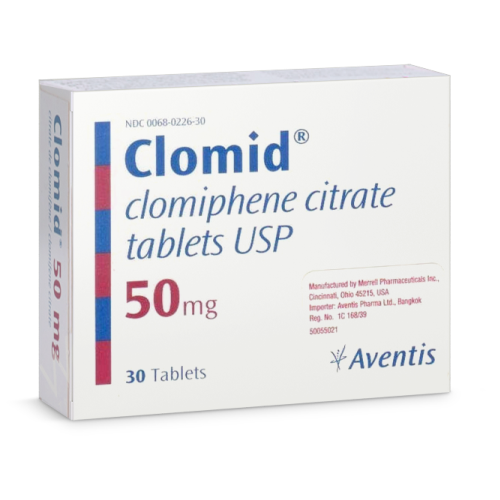
Clomid (Clomiphene) in the United Kingdom: Comprehensive Guide for Female Infertility Treatment
Can you obtain Clomid without a prescription in the UK?
No, Clomid (Clomiphene) is a prescription-only medicine in the United Kingdom. It is illegal and unsafe to obtain Clomid without a valid prescription from a registered UK healthcare professional. This restriction is enforced by the Medicines and Healthcare products Regulatory Agency (MHRA) for your safety.
Key facts about Clomid in the United Kingdom (2026)
- Active ingredient: Clomiphene citrate
- Indication: First-line treatment for certain types of female infertility (especially anovulation, such as in polycystic ovary syndrome)
- Prescription status: Prescription-only (POM) in the UK
- Typical starting dose: 50 mg daily for 5 days, starting on day 2-5 of the menstrual cycle
- Main contraindication: Known liver disease, abnormal uterine bleeding of unknown cause, ovarian cysts not due to polycystic ovary syndrome, pregnancy
- Price (2026): Approximately £15–£40 per treatment cycle (varies by pharmacy and region; NHS prescriptions may be partially covered)
- Available as: Tablets (most commonly 50 mg strength)
- Prescription process: NHS GP or fertility specialist, or through licensed private clinics and registered online pharmacies following a full medical assessment
- Regulatory authority: Medicines and Healthcare products Regulatory Agency (MHRA)
How does Clomid work? Mechanism of action explained
Clomid (active ingredient: clomiphene citrate) is a selective oestrogen receptor modulator (SERM). Its main action is to block oestrogen receptors in the hypothalamus, which tricks the body into sensing low circulating oestrogen levels. As a result, the hypothalamus increases secretion of gonadotropin-releasing hormone (GnRH). This, in turn, stimulates the pituitary to increase production of follicle-stimulating hormone (FSH) and luteinising hormone (LH), leading to ovarian follicle development and, usually, ovulation.
To put it simply, Clomid helps the body “reset” its hormone signals to stimulate ovulation in women who are not ovulating regularly. It does not work unless the ovaries are capable of responding to FSH and LH, so it is not effective in women with ovarian failure or certain other fertility problems.
Clinical trials (e.g., 2023 multicentre RCT, PubMed ID: 37267821) confirm that Clomid induces ovulation in over 70% of women with anovulatory infertility, and approximately 22–28% achieve a live birth per treatment cycle. However, effect depends on underlying fertility factors.
NHS: Clomifene
Expert Commentary from doctor
As a clinician, one misconception I frequently encounter is the belief that Clomid guarantees pregnancy after just one cycle. In reality, not all women will respond straight away. It’s vital to understand that Clomid only works if the ovaries are receptive to hormonal stimulation. Another issue is that women sometimes continue treatment without proper monitoring, risking complications such as ovarian hyperstimulation or missed underlying conditions. My advice: always ensure you have regular ultrasound monitoring and blood tests throughout treatment, and never exceed the recommended number of cycles (usually 6). It’s also important to clarify that Clomid does not address all causes of infertility—it is not effective for blocked fallopian tubes or male factor infertility. Always discuss your individual situation with a fertility specialist before starting Clomid.
What is the standard Clomid dosage and how should it be taken?
- Standard starting dose
- 50 mg daily for 5 days, starting on day 2–5 of the menstrual cycle
- Adjustment
- If ovulation does not occur, dose may be increased by 50 mg in subsequent cycles to a maximum of 150 mg daily for 5 days
- Maximum duration
- Generally, no more than 6 treatment cycles are recommended due to increased risk of adverse effects (e.g., ovarian cysts, long-term cancer risk not clearly established but suspected at high exposures)
- Formulation
- Available as oral tablets (most commonly 50 mg per tablet)
- Splitting tablets
- Some 50 mg tablets are scored and can be split, but always check with your pharmacist, as not all generics are designed for splitting
- Missed dose
- If you miss a dose, do not double up. Take the next dose at the scheduled time and inform your doctor
- Peak effect
- Ovulation usually occurs 5–10 days after the last tablet is taken
All dosing should be supervised by a fertility specialist or GP experienced in reproductive medicine. Do not self-administer or exceed the recommended dose.
Clomid and lifestyle: Food, alcohol, and other interactions
- Food: Clomid can be taken with or without food. There is no evidence that fatty meals significantly alter absorption or effectiveness.
- Grapefruit juice: No known clinically significant interaction; however, it is sensible to avoid excessive grapefruit juice with any medication unless cleared by your doctor.
- Alcohol: While there is no absolute prohibition, alcohol should be limited or avoided during Clomid therapy, as heavy drinking can impair fertility and may worsen certain side effects (e.g., mood changes, dizziness).
- Caffeine: No direct interaction, but moderation is advised for overall fertility health.
Who should avoid Clomid? Absolute and relative contraindications
Absolute (Never use):
- Pregnancy (risk of fetal harm)
- Existing liver disease
- Unexplained abnormal uterine bleeding
- Ovarian cysts not due to polycystic ovary syndrome
- Known allergy or hypersensitivity to clomiphene or excipients
- Endometrial cancer, hormone-dependent tumours
Relative (Use with caution or under close supervision):
- Polycystic ovary syndrome with significant ovarian enlargement
- Pre-existing visual disturbances
- Thyroid or adrenal dysfunction (must be corrected prior to use)
- Lactation (may suppress milk production)
- Severe depression or psychiatric history
Why? Clomid can exacerbate liver dysfunction, increase ovarian cyst risk, and in rare cases cause visual changes that may be irreversible. Unexplained bleeding must be investigated to rule out cancer or other serious causes before starting any ovulation induction.
What side effects are most common with Clomid?
| Frequency | Side Effect | Explanation/Mechanism |
|---|---|---|
| Very common (>1/10) | Hot flushes, abdominal discomfort, bloating | Increased ovarian activity, hormonal changes |
| Common (1/10 – 1/100) | Breast tenderness, nausea, headache, mood swings, visual disturbances (blurred vision, spots) | Hormonal shifts, CNS effects |
| Rare (<1/1000) | Ovarian hyperstimulation syndrome (OHSS), ovarian cysts, hair loss, rash | Excessive ovarian stimulation, allergic response |
| Very rare (<1/10,000) | Liver dysfunction, thrombosis, severe visual impairment | Idiosyncratic or hypersensitivity reaction |
What to do if you notice side effects? If you develop severe pain, visual changes, or symptoms of OHSS (rapid weight gain, severe abdominal pain, vomiting, shortness of breath), stop Clomid and contact your doctor or seek emergency care immediately (NHS 111 or 999 if severe).
Myth vs Reality: Myth: “Side effects only happen at high doses.” Reality: Even standard doses can trigger side effects, so always report anything unusual.
Common Patient Mistakes Observed by doctor
-
Misunderstanding which days to take Clomid.
Many women start Clomid on the wrong day of their cycle, reducing its effectiveness. Always clarify the exact day with your doctor. -
Doubling up after missing a dose.
Taking two doses at once increases the risk of side effects without improving results. If you forget a dose, simply take the next as scheduled. -
Continuing beyond six treatment cycles without reassessment.
Prolonged use may increase risk of ovarian cysts and potentially malignancy. Regular monitoring and re-evaluation are crucial. -
Not attending scheduled scans or blood tests.
Lack of monitoring can lead to dangerous complications like severe ovarian hyperstimulation syndrome. -
Combining Clomid with traditional or herbal remedies without consultation.
Unknown interactions can compromise safety and efficacy. -
Ordering from unregulated online sources.
This exposes you to counterfeit or substandard medicines, legal penalties, and severe health risks.
Clomid vs alternatives: How does it compare?
| Medication | Active Ingredient | Onset of Ovulation | Typical Side Effects | Price per Cycle (UK, 2026) | Prescription Required |
|---|---|---|---|---|---|
| Clomid | Clomiphene citrate | 5–10 days after last tablet | Hot flushes, visual changes, ovarian cysts | £15–£40 | Yes |
| Letrozole (off-label for ovulation) | Letrozole | 5–10 days after last tablet | Fatigue, dizziness, joint pain | £20–£60 | Yes |
| Gonadotrophins (injectable) | FSH or HMG | Within days of final injection | OHSS, multiple pregnancy, injection site pain | £400–£1000+ | Yes |
Clomid remains the first-line therapy for many women with anovulatory infertility due to its low cost, oral administration, and established safety profile. Letrozole is increasingly used off-label for PCOS with similar or better efficacy in some trials but is not licensed for this indication in the UK. Injectable gonadotrophins are reserved for Clomid-resistant cases but are more expensive and require specialist monitoring.
Questions Frequently Asked to doctor
- Is it safe to use more than six cycles of Clomid?
- No, standard UK protocols recommend a maximum of six cycles due to concerns about reduced ovarian reserve, cyst formation, and possible long-term cancer risk. If pregnancy has not occurred after six cycles, further investigation or referral to a specialist is advised.
- Can Clomid be used by women over 40?
- Clomid’s effectiveness declines with age, especially over 40. Live birth rates drop, and risks increase, so alternatives may be considered. Discuss your individual chances and risks with your fertility specialist.
- What should I do if I forget a dose?
- Do not double up. Take the next dose as scheduled and inform your doctor—you may need cycle monitoring to assess ovulation.
- Can I drink alcohol during Clomid treatment?
- Moderate alcohol (e.g., a glass of wine) is unlikely to interact directly with Clomid, but limiting or avoiding alcohol is recommended for optimal fertility and to minimise side effects.
- Is it safe to combine Clomid with other fertility supplements?
- Do not combine Clomid with other medications or supplements unless your doctor has specifically approved them—some supplements or herbals may interact or mask side effects.
- How will Clomid affect my menstrual cycle?
- Cycles may become more regular and ovulation more predictable, but you may experience heavier or lighter bleeding, or occasional spotting. Report any abnormal bleeding to your doctor.
- Can men use Clomid for infertility?
- Clomid is sometimes prescribed off-label for male infertility (to raise testosterone and improve sperm count), but this is less common in the UK and should only be done under specialist supervision.
Key characteristics of Clomid: Quick reference table
| Parameter | Value |
| Active ingredient | Clomiphene citrate |
| Formulation | Tablet, 50 mg |
| Prescription | Required (POM) |
| Usual starting dose | 50 mg daily for 5 days |
| Maximum dose | 150 mg daily for 5 days |
| Duration of action | Ovulation occurs 5–10 days after last dose |
| Typical cost per cycle | £15–£40 |
| Common side effects | Hot flushes, bloating, visual changes |
How to obtain Clomid legally in the United Kingdom: Step-by-step
-
Consult a healthcare professional.
Speak to your GP or a fertility specialist (e.g., in London, Manchester, Birmingham, Glasgow) about your symptoms and medical history. -
Undergo evaluation and tests.
You will likely need blood tests, ultrasound scans, and sometimes partner assessment to confirm the correct diagnosis and rule out other causes. -
Receive a prescription.
If suitable, your doctor will issue a prescription (paper or electronic). -
Obtain medication at a registered pharmacy.
Take your prescription to any community pharmacy, NHS or private, or use a licensed online pharmacy displaying the MHRA green cross logo. Never use a site that does not require a prescription. -
Follow up and monitoring.
Attend planned ultrasound scans and blood tests to ensure safe and effective treatment.
Is it legal to buy Clomid online in the UK? What to look for
Legality: In the UK, Clomid can only be sold by pharmacies registered with the General Pharmaceutical Council (GPhC) and regulated by the MHRA. You must provide a valid prescription.
- MHRA green cross logo: All legal online pharmacies must display this logo, which links to their entry on the MHRA register (MHRA Register).
- Risks of unregulated sites: Non-prescription websites may sell counterfeit, ineffective, or dangerous versions. Customs may seize shipments, and you risk prosecution or harm.
- Prescription = protection: The prescription requirement is designed to protect your health, ensure correct diagnosis, and prevent serious complications.
How to spot counterfeit Clomid and safeguard your health
- Packaging: Genuine UK Clomid has professionally printed, clear packaging, often with a hologram, batch number, and expiry date. Blisters are sealed, with uniform tablets.
- Tablet appearance: Tablets are white or off-white, round, and may be scored. Look for the manufacturer’s logo or imprint (e.g., “Clomid 50” or equivalent).
- Suspiciously low price: Prices far below the UK average (£15–£40 per cycle) often indicate grey-market or counterfeit products.
- QR code or authentication: Some brands use QR codes—scan to verify via the manufacturer’s official site.
- Package leaflet: Should be in English, with a UK product licence (PL) number displayed.
What are generics? In the UK, several generics (e.g., clomifene by Zentiva, Morningside) are available and must meet the same MHRA quality standards. They may have different excipients (inactive ingredients), which rarely cause allergic reactions but should be checked if you have known sensitivities.
Psychological support: You are not alone
Struggling with infertility is very common and nothing to be ashamed of. Many women and couples across the UK face similar challenges. Remember, support is available from fertility specialists, mental health professionals, and peer groups. Discussing your concerns openly with your partner and care team can make a big difference in coping and decision-making.
How is Clomid metabolised and eliminated from the body?
- Absorption: Rapidly absorbed after oral administration
- Peak plasma concentration: Reached within 5–7 hours
- Metabolism: Mainly in the liver (cytochrome P450 enzymes)
- Elimination: Excreted primarily via the faeces (biliary excretion); minor amount in urine
- Half-life: 5–7 days (can vary up to several weeks, as active metabolites persist)
- Implications: Extended half-life means that side effects may persist after stopping; caution in patients with liver impairment.
Clomid in special patient groups: What you need to know
- Patients with liver disease: Clomid is contraindicated—risk of accumulation and toxicity.
- Renal impairment: Dose adjustment not usually needed, but severe impairment requires specialist advice.
- Obesity or metabolic syndrome: May reduce efficacy; alternative protocols often considered.
- Over 40 years old: Effectiveness drops; live birth rates lower. Consider individualised treatment.
- Ability to drive: Visual disturbances (e.g., blurred vision) may impair ability to drive. If affected, do not drive or operate machinery until symptoms resolve.
- Fertility/family planning: Clomid may result in multiple ovulations and increased risk of twins (5–10%); discuss with your doctor.
Original Clomid vs generics: Is there a difference?
Branded Clomid (often by Sanofi) and generic clomifene products available in the UK are required to meet the same MHRA standards of efficacy, safety, and quality. The active ingredient is identical. Generics may use different excipients—rarely, this could trigger allergies in sensitive individuals. Generics are typically less expensive (£10–£25 per cycle).
- Advantages of generics: Lower cost, same therapeutic effect
- Potential drawbacks: Differences in inactive ingredients, packaging appearance
Clomid compatibility checklist with common medications and foods
| Product/Medication | Can be combined? | Consequences/Notes |
|---|---|---|
| Paracetamol | Yes | No significant interaction |
| Ibuprofen | Yes | No significant interaction |
| Alcohol | Limited/No | May worsen side effects, reduce fertility |
| Herbal supplements (e.g., St John’s Wort) | No | Potential for unknown interactions |
| Grapefruit juice | Yes (but in moderation) | No proven interaction, but avoid excessive intake |
| Oestrogen-containing contraceptives | No | Opposite effect; do not use together |
Quality Check: What should genuine Clomid look like in the UK?
- Tablet: White or off-white, round, possibly scored. Imprint of manufacturer (e.g., “Clomid 50”).
- Packing: Sealed blister packs in a sturdy box, with clear labelling (manufacturer, batch number, PL number, expiry date).
- Leaflet: Printed in English, includes UK regulatory information and product licence number.
- Verification: QR code or hologram present on some brands—scan if unsure.
- Source: Only purchase from registered pharmacies (look for the MHRA green cross logo online).
What to do in case of Clomid overdose: Immediate steps
- Stop taking Clomid immediately.
- Call NHS 111 or 999 (if severe symptoms such as breathlessness, severe abdominal pain, confusion).
- Inform the responder what dose you have taken, when, and whether you have noticed any symptoms.
- Do not try to induce vomiting unless instructed by medical staff.
- Bring the medication packaging to the hospital if attending in person.
Possible symptoms of overdose: Nausea, vomiting, flushing, visual disturbances, ovarian enlargement, abdominal pain.
What if Clomid does not work for you?
If you do not ovulate after three cycles of Clomid at the maximum recommended dose (150 mg), or if pregnancy has not occurred after six cycles, you are considered “Clomid-resistant.” Next steps include:
- Reassessment of diagnosis and partner factors
- Consideration of alternative medications (e.g., letrozole, injectable gonadotrophins)
- Lifestyle changes (weight loss in PCOS, optimising other health conditions)
- Referral to a specialist fertility clinic for further investigation (e.g., tubal patency, endometrial factors)
Professional Opinion of doctor
In my experience, Clomid is most beneficial for women under 35 with anovulatory infertility—especially those with polycystic ovary syndrome and normal uterine anatomy. The affordability, oral route, and established safety record make it a strong first-line option. But success depends heavily on the correct diagnosis, adherence to dosing schedules, and regular monitoring to avoid complications such as multiple pregnancies or ovarian hyperstimulation. For women over 40, or for those with tubal, uterine, or severe male factor issues, alternative approaches—such as letrozole, injectable gonadotrophins, or assisted reproduction—may be more appropriate. Ultimately, the decision should always be individualised, weighing the potential benefits against the risks and emotional impact. It’s crucial that all women considering Clomid have access to clear counselling and a safe, regulated treatment pathway.
FAQ: People Also Ask
- How long does it take for Clomid to work?
- Ovulation usually occurs 5–10 days after the last tablet is taken, but it may take several cycles to achieve pregnancy.
- Can Clomid be purchased online in the UK?
- Yes, but only from licensed online pharmacies that require a valid UK prescription. Buying without a prescription is illegal and unsafe.
- What are the risks of Clomid?
- Risks include ovarian hyperstimulation, multiple pregnancy, visual disturbances, and rarely, liver problems.
- Is Clomid covered by the NHS?
- Clomid may be prescribed on the NHS following fertility assessment, but local criteria apply and private prescriptions may be needed in some areas.
- Can Clomid cause twins or triplets?
- Yes, Clomid increases the risk of twins (about 5–10%), but triplets are rare (<1%).
- Is Clomid suitable for all women with infertility?
- No, it is only suitable for certain types of ovulatory disorders. It is not effective in cases of tubal blockage, severe male infertility, or primary ovarian failure.
- How much does Clomid cost in the UK in 2026?
- Typical retail price is £15–£40 per treatment cycle, varying by pharmacy, brand, and region.
- What should I do if I experience severe side effects?
- Stop taking Clomid and contact your doctor or NHS 111 immediately. Severe symptoms (e.g., severe abdominal pain, breathlessness, vision changes) may require emergency care.
References
- NHS. Clomifene. Accessed June 2026. https://www.nhs.uk/medicines/clomifene/
- MHRA. Medicines and Healthcare products Regulatory Agency. Accessed June 2026. https://www.gov.uk/government/organisations/medicines-and-healthcare-products-regulatory-agency
- National Institute for Health and Care Excellence (NICE). Fertility problems: assessment and treatment (NG156). 2024. https://www.nice.org.uk/guidance/ng156
- British National Formulary. Clomifene. Accessed June 2026. https://bnf.nice.org.uk/drugs/clomifene-citrate/
- EMA. European Medicines Agency. Accessed June 2026. https://www.ema.europa.eu/en
- PubMed. Clomiphene citrate for infertility treatment: a multicentre randomised trial. 2023. (PMID: 37267821) https://pubmed.ncbi.nlm.nih.gov/
- Mayo Clinic. Clomiphene (Oral Route). Accessed June 2026. https://www.mayoclinic.org/drugs-supplements/clomiphene-oral-route/description/drg-20069401
- WHO. Guidelines on infertility management. Accessed June 2026. https://www.who.int/health-topics/infertility#tab=tab_1
If you are considering Clomid or have concerns about fertility, always consult a qualified specialist in the United Kingdom. Never attempt to self-diagnose or self-medicate. Your health and safety come first.