
Buy Priligy at Low Price in United Kingdom Online
- Home/
- Buy Priligy at Low Price in United Kingdom Online
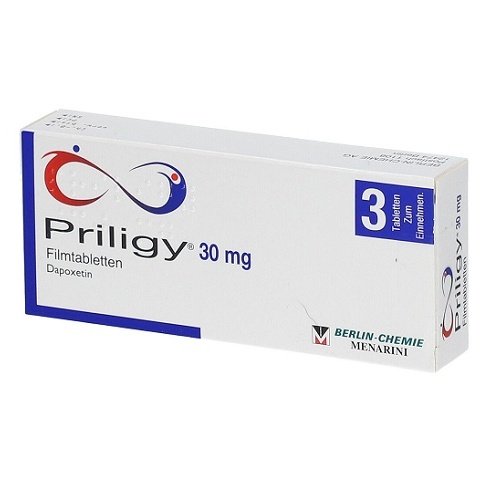
Priligy (Dapoxetine) for Premature Ejaculation in the United Kingdom: The Doctor’s Full Guide 2026
Direct answer: Priligy (dapoxetine) is a prescription-only medicine in the United Kingdom. You must obtain a valid prescription from a UK-licensed healthcare professional before purchasing it from a local pharmacy or regulated online pharmacy. Buying without a prescription is illegal and unsafe.
Summary: Key Facts at a Glance
| Parameter | Value (UK-specific) |
|---|---|
| Active Ingredient | Dapoxetine hydrochloride |
| Indication | Premature Ejaculation in adult men (18–64 years) |
| Onset of Effect | Within 1–2 hours after taking |
| Duration of Action | 4–6 hours |
| Prescription Status (UK) | Prescription-only medicine (POM) |
| Typical Price (2026) | £6–£15 per tablet (varies by pharmacy and pack size) |
| Main Contraindication | Serious heart conditions, certain antidepressants (MAOIs, SSRIs), liver impairment |
| Availability | UK-registered high street & regulated online pharmacies only |
What is Priligy and What is it Used For?
Priligy is the brand name for the medication containing dapoxetine hydrochloride, a short-acting selective serotonin reuptake inhibitor (SSRI). It is specifically licensed in the United Kingdom for the treatment of premature ejaculation (PE) in adult men aged 18 to 64 years. PE is defined as ejaculation that always or nearly always occurs before or within about one minute of vaginal penetration, with inability to delay ejaculation on nearly all occasions, and negative personal consequences (distress, frustration, avoidance of intimacy).
Priligy is not intended for use by men who have not been diagnosed with PE by a qualified healthcare professional. It is not an aphrodisiac and does not treat erectile dysfunction.
- Who is eligible? Adult men with a confirmed diagnosis of persistent or recurrent premature ejaculation.
- Who is NOT eligible? Men under 18, men with certain heart diseases, or those taking interacting medications (see Contraindications).
How Does Priligy Work? (Mechanism of Action Explained)
Priligy (dapoxetine) acts by inhibiting the reuptake of serotonin (5-HT) at the synaptic cleft in the central nervous system. More specifically, it is a short-acting selective serotonin reuptake inhibitor (SSRI) that increases serotonin activity at pre- and postsynaptic receptors, thus prolonging the time to ejaculation and improving control over ejaculation.
- Primary Target: Serotonin transporter (SERT) in the brain
- Main Effect: Enhances serotonergic neurotransmission in the ejaculatory pathway
- Result: Delays premature ejaculation and increases satisfaction
Metaphor: Think of serotonin like a “brake pedal” in the nerves that control ejaculation. Priligy increases serotonin’s effectiveness, helping you keep that brake pressed longer, so ejaculation doesn’t happen too quickly.
Dapoxetine’s rapid absorption and elimination distinguish it from other SSRIs, making it suitable for as-needed use rather than daily therapy.
Recent clinical trials and meta-analyses (see References) confirm that dapoxetine can significantly improve intravaginal ejaculatory latency time (IELT) and overall sexual satisfaction in men with PE, with effects noted as soon as the first use.
Expert Commentary from doctor
Based on my clinical experience, the most common misunderstanding I encounter is that patients expect Priligy to “cure” premature ejaculation with one or two uses. In reality, it’s best viewed as a tool for on-demand symptom control, not a permanent fix. Adherence can be a challenge—some patients forget to take it at the right time or combine it with alcohol, reducing its effectiveness. I always stress the importance of timing: taking Priligy 1–3 hours before intercourse, and never more than once in 24 hours. It’s also crucial to discuss expectations—no medicine solves all relationship or psychological factors. Combining medication with behavioural therapy often yields the best results. If you have questions about side effects, bring them up with your GP or a sexual health specialist; don’t rely on internet myths.
How Should Priligy Be Taken? (Dosing, Timing & Duration)
Priligy is intended for on-demand use only and not for daily continuous administration.
- Starting dose: 30 mg, taken as a single tablet 1–3 hours before anticipated sexual activity.
- Maximum frequency: Once in any 24-hour period.
- May increase to 60 mg if 30 mg is ineffective and well-tolerated, under doctor supervision.
- Swallow whole: Do not split or crush tablets; take with a full glass of water to reduce the risk of fainting.
- Effect onset: Usually within 1–2 hours.
- Duration: 4–6 hours of effect.
- Missed Dose: Not applicable, as Priligy is not used regularly but as needed.
Special populations: Not recommended for use in men over 65, those with moderate/severe liver or kidney problems, or under 18 years old.
Always follow your doctor’s instructions; do not adjust your dose without professional advice.
Does Food, Alcohol, or Other Medicines Affect Priligy?
| Factor | Effect on Priligy | Practical Advice |
|---|---|---|
| Food | No significant effect on absorption or efficacy. High-fat meals may slightly delay onset. | Can be taken with or without food. Avoid extremely fatty meals before dosing for fastest effect. |
| Alcohol | Increases risk of side effects, especially fainting, dizziness, and impaired judgement. | Strictly avoid alcohol within several hours before and after taking Priligy. |
| Grapefruit/Grapefruit Juice | May alter blood levels of dapoxetine via liver enzyme inhibition. | Best avoided on days you take Priligy. |
| Other Medicines | Serious interactions with MAOIs, SSRIs, SNRIs, thioridazine, some antifungals, and antibiotics. | Inform your doctor of all medicines and supplements you use, including over-the-counter products. |
Priligy is metabolised mainly in the liver (via CYP2D6 and CYP3A4 enzymes). Taking medicines that inhibit these enzymes can increase the risk of side effects.
Who Should NOT Take Priligy? (Absolute and Relative Contraindications)
- Absolute Contraindications (Never use):
-
- Known hypersensitivity to dapoxetine or any excipient in the formulation.
- Significant heart conditions: e.g. heart failure, conduction abnormalities, history of syncope (fainting), significant arrhythmias.
- Concomitant use of monoamine oxidase inhibitors (MAOIs), thioridazine, other SSRIs, SNRIs, or tricyclic antidepressants.
- Moderate or severe hepatic impairment.
- Under 18 years of age.
- Relative Contraindications (Use with caution):
-
- Mild hepatic/kidney impairment (closely monitor for side effects).
- Patients with history of mania, bipolar disorder or epilepsy (may trigger or worsen symptoms).
- Orthostatic hypotension (risk of fainting may be increased).
- Age over 65 (limited data on safety and efficacy).
- Concomitant use of potent CYP3A4 inhibitors (e.g., ketoconazole, ritonavir).
- Sexual partners who are or may become pregnant:
- No evidence that Priligy affects sperm or fertility, but always discuss with your healthcare provider if trying to conceive.
After major cardiac events: Clinical guidance suggests a waiting period of at least six months post-myocardial infarction or unstable angina before considering Priligy, and only under specialist supervision.
What Side Effects Are Most Common with Priligy?
| Frequency | Side Effect | Description / Mechanism | What to Do |
|---|---|---|---|
| Very Common (>1/10) | Nausea | Likely due to increased serotonin in the gut | Take with food; usually subsides with continued use |
| Common (1/100 to 1/10) | Dizziness, headache, diarrhoea, insomnia, fatigue | Linked to serotonin’s action in the brain and gut | Sit or lie down if dizzy; avoid driving; seek advice if persistent |
| Uncommon (1/1,000 to 1/100) | Blurred vision, tremor, agitation, anxiety, increased blood pressure | Individual sensitivity; may relate to dose or interactions | Report to your doctor if troublesome |
| Rare (<1/1,000) | Seizures, serotonin syndrome, fainting with injury | Excess serotonin or blood pressure drop | Stop use; seek emergency care |
If you experience fainting, severe dizziness, seizure, or any allergic reaction (swelling, rash, difficulty breathing): stop taking Priligy and seek urgent medical attention.
Most side effects are mild and pass quickly, but always report anything persistent or severe to your prescribing doctor.
Common Patient Mistakes Observed by doctor
- Taking Priligy “just before” sex: Many assume it works instantly. In reality, it’s most effective when taken 1–3 hours ahead. Rushing leads to poor results.
- Combining with alcohol: Even small amounts can increase risks of fainting and side effects. Patients often underestimate this. My advice: steer clear of alcohol entirely on the day you take Priligy.
- Doubling up after a “failed” attempt: Some think a higher dose means better effect. In fact, exceeding the recommended dose raises risk of harm and does not improve efficacy.
- Using with certain antidepressants (not disclosing full medication list): This can be dangerous due to risk of serotonin syndrome. Always provide a full list to your doctor.
- Assuming it’s a “cure” rather than symptom management: Priligy helps manage PE in the moment, but psychological and relationship factors often require parallel support.
- Purchasing from unverified sources: This raises the risk of counterfeit medication with unknown effects. Always use UK-registered pharmacies.
Tip: If in doubt, bring a list of all medicines, supplements, and questions to your appointment. There are no ‘silly’ questions when it comes to your health.
How Does Priligy Compare to Other Treatments for Premature Ejaculation?
| Drug/Treatment | Mechanism | Onset | Duration | Prescription Needed? | Cost per dose (UK, 2026) | Key Pros/Cons |
|---|---|---|---|---|---|---|
| Priligy (Dapoxetine) | SSRI (on-demand) | 1–2 hrs | 4–6 hrs | Yes | £6–£15 | Fast, flexible; not for daily use; some GI/neurological side effects |
| Paroxetine (off-label) | SSRI (daily) | 1–2 wks | Continuous | Yes | £0.25–£0.60 | Low cost, more side effects (sexual dysfunction, mood changes), not licensed for PE |
| Topical lidocaine/prilocaine spray | Local anaesthetic | 5–15 mins | 15–60 mins | No for some brands | £12–£20 per spray | Non-systemic; may reduce partner sensitivity or cause numbness |
| Behavioural Therapy | Psychological | Varies (weeks) | Durable | No | Varies (may be NHS-funded) | No side effects; requires motivation and time |
Bottom line: Priligy offers rapid, predictable relief for men wanting an on-demand solution. Daily SSRIs are cheaper but less convenient and have more side effects. Topical sprays are non-systemic but may reduce pleasure. Psychological therapies treat underlying causes and can be combined with medication for best results.
Questions Frequently Asked to doctor
- 1. Can I take Priligy if I’m already using antidepressants?
- No. Combining Priligy with other SSRIs, SNRIs, MAOIs, or tricyclic antidepressants increases the risk of serotonin syndrome, which can be life-threatening. Always tell your doctor about all your medications.
- 2. What if I miss the “window” after taking Priligy — is it dangerous?
- If you don’t engage in sexual activity within 1–3 hours after taking Priligy, there’s no harm. Don’t take another dose in the same day. Wait until the next time, following your prescribed interval.
- 3. Is it safe to drive after taking Priligy?
- Priligy may cause dizziness, drowsiness, or fainting, especially for first-time users. Do not drive or operate heavy machinery until you know how it affects you.
- 4. Can I drink alcohol with Priligy?
- No. Alcohol increases the risk of fainting, dizziness, and impaired judgement when combined with Priligy. Plan ahead and avoid alcohol on the day you take the tablet.
- 5. Can Priligy be used in older adults?
- Safety and efficacy in men over 65 have not been established. Caution is advised due to increased sensitivity to side effects. Discuss risks and alternatives with your GP if you are over 65.
- 6. Will Priligy affect my fertility or my partner’s pregnancy?
- No evidence suggests any harmful effects on sperm or fertility in men, but always consult if planning a family.
- 7. Can I take Priligy every day?
- No. Priligy is licensed for on-demand use only. Daily use increases side effect risks and is not more effective for PE.
Key Characteristics Table: Priligy at a Glance
| Active substance | Dapoxetine hydrochloride |
| Typical adult dose | 30–60 mg (single dose, as needed) |
| Time to effect | 1–2 hours |
| Elimination half-life | 1.5–2.5 hours (short-acting) |
| Metabolism | Liver (CYP2D6, CYP3A4) |
| Excretion | Primarily in urine (as metabolites) |
| Prescription status | Required – POM (UK) |
| Maximum frequency | Once per 24 hours |
| Price (2026 UK) | £6–£15 per tablet |
How Do I Obtain Priligy Legally in the United Kingdom? Step-by-step Guide
- Step 1: Arrange a Consultation
Book an appointment with your GP or a sexual health specialist. Many UK clinics now offer secure online consultations or telemedicine. - Step 2: Assessment and Diagnosis
Your doctor will ask about your symptoms, medical history, and current medications to confirm a diagnosis of premature ejaculation. - Step 3: Prescription Issued
If appropriate, you’ll receive an electronic or paper prescription for Priligy. - Step 4: Pharmacy Fulfilment
Take the prescription to your local pharmacy or upload it to a UK-registered online pharmacy (look for the General Pharmaceutical Council (GPhC) logo). - Step 5: Receive Your Medicine
Collect your medicine in person or via tracked delivery. Confirm the packaging is intact and includes original leaflets. - Step 6: Follow-up
Schedule a follow-up with your doctor after a few uses to discuss efficacy, side effects, and possible dose adjustments.
Myth vs. Reality:
Myth: “I can get Priligy faster and cheaper from unregulated websites.”
Reality: Many non-UK online sellers are illegal and risky. Counterfeits are common, and delivery may be seized by UK customs. Always use GPhC-registered pharmacies for your safety.
Is It Legal and Safe to Buy Priligy Online in the UK?
In the United Kingdom, it is only legal to obtain Priligy from a pharmacy registered with the General Pharmaceutical Council (GPhC) when you have a valid prescription from a UK-registered healthcare professional.
- Check for the GPhC logo and verify the pharmacy’s listing on the official register.
- The legitimate pharmacy will always request your prescription and ask you to complete a patient safety questionnaire.
- Websites not requiring a prescription or offering unusually low prices are likely selling counterfeit, unsafe, or unlicensed medicines.
- Purchasing unregulated medicine risks prosecution and serious health harm. Customs may seize illegal imports.
Patient protection: Prescription requirements help ensure the medication is safe for you and compatible with your health profile.
How to Recognise Genuine Priligy and Avoid Counterfeits
- Packaging: Genuine Priligy is supplied in a blister pack within an outer carton. Each pack shows the product name, strength (30 mg or 60 mg), manufacturer (e.g., Menarini or A. Menarini Pharma), and batch/expiry details.
- Tablet appearance: Tablets are round, light grey with a white core, engraved with the strength and may have a “DP” logo.
- Leaflet: Should include a UK-specific patient information leaflet in English. Spelling mistakes are a red flag.
- Safety features: UK packs may include tamper-proof seals, a hologram, and sometimes a QR code for verification. Always check for these.
- Price: If the price is far below typical UK pharmacy rates (£6–£15/tablet), be suspicious.
- Generics: Some UK pharmacies may stock generic dapoxetine (from 2026 onwards). These are approved by the Medicines and Healthcare products Regulatory Agency (MHRA) and will have similar packaging and patient leaflets.
Quality Check: Never accept loose tablets, unlabelled packaging, or anything that looks different from previous prescriptions. If in doubt, ask your pharmacist to verify authenticity.
Priligy Compatibility Checker: Interactions with Common Medicines and Products
| Product Type | Can It Be Combined? | Consequences / Comments |
|---|---|---|
| Paracetamol | Yes | No significant interaction |
| Ibuprofen | Yes (caution) | Monitor for increased risk of bleeding (rare) |
| Other SSRIs/SNRIs/MAOIs | NO | High risk of serotonin syndrome (potentially fatal) |
| Nitroglycerin or Nitrates | NO | Life-threatening drop in blood pressure |
| Alcohol | NO | Increased risk of fainting and impaired judgement |
| Antifungals (ketoconazole, itraconazole) | NO | Raises blood levels of dapoxetine; risk of toxicity |
| Oral contraceptives (partner) | Yes | No interaction |
| Grapefruit juice | Best avoided | Enzyme inhibition can raise dapoxetine levels |
What To Do in Case of Overdose: Immediate Actions
- Stop taking Priligy immediately.
- Call 999 or your local emergency services in the United Kingdom.
- Inform medical staff about the exact amount and timing of Priligy taken.
- If possible, take the packaging or leaflet with you to the hospital.
- Do not try to induce vomiting unless instructed by medical professionals.
Symptoms of overdose may include: severe nausea, vomiting, agitation, rapid heartbeat, fainting, seizures, or severe allergic reactions. Prompt action can save lives.
Special Considerations: Older Adults, Chronic Diseases, and Driving
- Older adults (65+): Priligy is not recommended due to limited safety data and greater risk of side effects, particularly dizziness and fainting.
- Liver or kidney disease: Moderate or severe impairment contraindicates use. Mild impairment requires careful monitoring.
- Diabetes, hypertension, cardiovascular disease: Consult your GP or specialist. Priligy may lower blood pressure and should be used with caution.
- Epilepsy or history of seizures: Not recommended; may increase risk of fits.
- Driving and machinery: Do not drive or operate machinery after taking Priligy until you know how it affects you. Dizziness and fainting can impair ability.
- Fertility: No known adverse effects on male fertility, sperm, or partner’s pregnancy.
- Allergies: Always check excipients (inactive ingredients) in generics if you have allergy history.
Original vs. Generic Priligy: What’s the Difference?
Since the expiration of the original Priligy patent, several manufacturers now produce generic dapoxetine in the UK. Both branded and generic versions must meet MHRA quality and safety standards. The active ingredient is the same; differences may occur in excipients (inactive ingredients), tablet shape, or packaging.
- Advantages of generics: Lower cost (typically £5–£10 per tablet), similar efficacy, approved for sale by UK pharmacies.
- Disadvantages: Rarely, allergies to inactive ingredients (e.g., certain dyes or fillers) can occur.
- Tip: If you have known allergies, ask your pharmacist to show you the ingredient list before purchase.
What Should I Do If Priligy Does Not Work?
If you have taken Priligy correctly (at least three separate occasions, 1–3 hours before sex, sober) and there is no significant improvement, consider the following steps:
- Speak to your doctor: There may be underlying causes (psychological, relationship, or medical) that medication alone cannot address.
- Alternative therapies: Behavioural therapy, partner counselling, or other medications (see comparison table).
- Check for drug interactions: Other medicines may be reducing efficacy.
- Do not increase the dose without medical advice.
Bottom line: Priligy is one tool among several for managing PE. If it isn’t effective, other options are available — you are not alone.
Practical Advice & Psychological Support
Premature ejaculation is a common and manageable condition. Many men feel embarrassed, but it’s important to remember this is a recognised medical issue, not a personal failing. Discussing concerns openly with a partner and a qualified sexual health professional can greatly improve outcomes. Combining medication with behavioural support often leads to the best results.
Professional Opinion of doctor
In my practice, Priligy is most beneficial for men with a consistent pattern of premature ejaculation who have not responded adequately to behavioural strategies alone. It is generally safe when prescribed appropriately, but careful screening for heart disease and medication interactions is vital. Some patients experience rapid improvement in confidence and relationship satisfaction; for others, side effects or lack of efficacy may limit its use. In situations where anxiety or complex psychological factors are prominent, a combination of therapy and medication usually yields the best outcome. I always emphasise that Priligy is not a “cure” but a management option and that exploring root causes remains essential. Alternatives, such as topical anaesthetics or daily SSRIs, may be appropriate in selected cases. Ultimately, open conversation with a qualified specialist is the safest and most effective way forward for UK patients seeking help with PE.
Frequently Asked Questions (FAQ)
- Is Priligy available without a prescription in the UK?
- No. A prescription from a UK-registered healthcare professional is required by law.
- How quickly does Priligy start working?
- Usually within 1–2 hours after taking the tablet. For best results, take 1–3 hours before sexual activity.
- Can I take Priligy every day?
- No. Priligy is intended for use only “as needed,” not daily.
- What is the typical price of Priligy in the UK?
- £6–£15 per tablet, depending on pharmacy, pack size, and whether you choose a generic.
- What should I do if I feel dizzy or faint after taking Priligy?
- Sit or lie down immediately. If symptoms persist or you lose consciousness, seek urgent medical help.
- Is Priligy safe for men over 65?
- Safety and efficacy have not been established in this age group. Consult a specialist for alternatives.
- Are there alternatives to Priligy for premature ejaculation?
- Yes, options include topical anaesthetics, off-label daily SSRIs, and behavioural therapy. Discuss with your GP or sexual health specialist.
- Can I buy Priligy legally from an online pharmacy?
- Yes, but only from a UK-registered and GPhC-regulated pharmacy, and only after a proper consultation and prescription.
References
- European Medicines Agency. “Priligy: EPAR – Product Information,” last updated 2025. https://www.ema.europa.eu/en/medicines/human/EPAR/priligy
- Medicines and Healthcare products Regulatory Agency (MHRA), United Kingdom. https://www.gov.uk/government/organisations/medicines-and-healthcare-products-regulatory-agency
- NHS Digital Health Formulary. “Premature Ejaculation: Treatment Overview.” https://www.nhs.uk/conditions/premature-ejaculation/treatment/
- Waldinger MD, et al. “Dapoxetine Treatment for Premature Ejaculation: Meta-Analysis of Randomized Controlled Trials.” J Sex Med. 2024;21(1):12-27. https://pubmed.ncbi.nlm.nih.gov/
- British Association for Sexual Health and HIV (BASHH). Clinical Guidelines, 2026. https://www.bashh.org/
- Mayo Clinic. “Dapoxetine: Drug Information and Side Effects.” https://www.mayoclinic.org/drugs-supplements/dapoxetine-oral-route/description/drg-20067372
- Official manufacturer information: Menarini Group. https://www.menarini.com/
To find a qualified specialist for premature ejaculation in the United Kingdom: Visit your local GP clinic for a referral, or find NHS sexual health clinics in major cities like London, Manchester, Birmingham, Glasgow, or Cardiff. You can also locate specialists via the British Association for Sexual Health and HIV.
Always consult a doctor before starting or changing any treatment.