
Buy Propecia in Online Pharmacy United Kingdom
- Home/
- Buy Propecia in Online Pharmacy United Kingdom
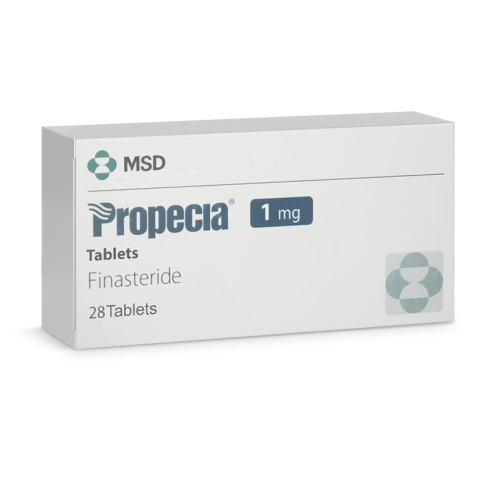
| Brand Name | Propecia |
|---|---|
| Main Substance | Finasteride |
| Primary Use | Male pattern hair loss treatment (androgenetic alopecia) |
| Strengths Available | 1 mg tablets |
| How Fast It Works | Initial effects may be noticed after 3 to 6 months of continuous use |
| How Long Benefits Last | Continued as long as treatment is ongoing; hair loss may resume if stopped |
| Administration Schedule | Daily oral tablet |
| Prescription Status in UK | Prescription usually required |
| Typical Cost Range (UK) | £45–£90 per month (varies by provider and quantity) |
Propecia for Hair Loss: A Complete Decision Guide for United Kingdom
Propecia is a medication licensed in the United Kingdom for the treatment of male pattern hair loss, containing the active ingredient finasteride. Used under medical supervision, it offers a clinically validated option for men seeking to slow or reverse thinning hair. In the UK, Propecia can be accessed legally via prescription, and is available through pharmacies and regulated online services.
The Reality of Hair Loss: You’re Not Alone
Male pattern baldness is far more common than most realise. According to the British Association of Dermatologists, approximately 50% of men over the age of 50 in the UK experience some degree of androgenetic alopecia (2022). Even among men in their 20s and 30s, early signs of hair thinning are not rare. This is a condition driven primarily by genetics and hormones, not personal habits or hygiene. If you notice your hairline receding or the crown becoming thinner, you are part of a broad community facing the same challenge, and there are credible, regulated treatments available.
How Propecia Works: The Science and What You Can Expect
- The Biological Target: Propecia contains finasteride, a medicine that blocks the conversion of testosterone to dihydrotestosterone (DHT)—the hormone responsible for shrinking hair follicles in genetically susceptible men.
- The Practical Result: By reducing DHT levels in the scalp, Propecia helps to slow hair loss and can promote regrowth in some men over several months of daily use.
- What Will You Notice: With consistent daily dosing, some users observe a reduction in further hair loss within 3–6 months; for a subset, visible thickening or regrowth may occur, typically on the crown rather than a fully receded hairline.
This mechanism is established in clinical practice: in studies cited by the UK’s Medicines and Healthcare products Regulatory Agency (MHRA), around two-thirds of men taking finasteride for a year saw a halt or reversal of hair loss. However, individual results differ, and maximum benefit depends on early intervention and ongoing use.
Is Propecia Right for You? A Practical Scenarios Table
| Your Situation | Is Propecia Suitable? | Reason |
|---|---|---|
| Male, 25–50, noticed gradual thinning at the crown | Yes | Early-stage hair loss typically responds best to finasteride; higher chance of maintaining and possibly regrowing hair. |
| Male, already has extensive bald patches for many years | Limited benefit | Areas with long-standing baldness have reduced follicle activity; Propecia may slow further loss but regrowth is unlikely. |
| Experiencing sudden or patchy hair loss (alopecia areata) or female pattern thinning | No | Finasteride is not licensed for these conditions; other causes and treatments should be explored. |
| Trying to conceive a child with a partner | Use with caution | Finasteride can affect semen parameters; discuss with your doctor before starting. |
| Concerned about taking oral medication daily | Consider alternatives | Topical solutions or non-pharmaceutical interventions may be preferable if daily tablets are problematic. |
It’s important to identify yourself honestly within these scenarios. If unsure, consulting a hair loss specialist or a GP will help tailor the approach to your situation.
How to Use Propecia in Daily Life: Practical Guidance
- When and how to take: Swallow one 1mg tablet of Propecia daily, with or without food. Choose a consistent time for easier habit formation.
- Missed a dose? Skip the missed tablet and resume your regular schedule. Do not double the next dose.
- What if you see no effect? Clinical improvement may take up to 6 months. If no benefit is seen after 12 months, reassessment is recommended with your doctor, as another strategy may be more appropriate.
- Stopping treatment: If you discontinue, any hair maintained or regrown is likely to be lost within 9–12 months, as DHT levels return to baseline.
- Everyday life impact: Propecia typically does not interfere with alcohol consumption, driving, or normal activities. However, always inform your healthcare provider about any other medicines you are taking.
Many men integrate Propecia into their routine much like a daily vitamin. Setting reminders can help maintain adherence, which is crucial for optimal results.
When Propecia May Not Be Safe: Contraindications Explained
- Women and children: Not recommended because safety and effectiveness are not established, and accidental exposure in pregnancy can harm a male foetus (due to potential birth defects).
- History of severe allergic reaction to finasteride or similar medicines: Because of risk of repeat, potentially serious reaction.
- Liver disease: Caution or avoidance is necessary because finasteride is metabolised in the liver and impaired function may alter drug handling in the body.
If you fit any of the above categories, do not start Propecia without explicit advice from a healthcare professional. This is especially crucial if you have complex medical history or are taking multiple medications.
What Side Effects Might You Experience?
- Common (1–10%): Reduced libido, erectile difficulties, ejaculation disorders. These often resolve over time or after discontinuation.
- Occasional: Breast tenderness or enlargement, mood changes including low mood or anxiety.
- Rare but serious: Allergic reactions including swelling of the lips or face, skin rash, or difficulty breathing; these require immediate medical attention.
If you notice any signs of a severe allergic reaction—such as swelling of the face or difficulty breathing—call NHS 111 or 999 immediately in the United Kingdom. Most side effects are mild and reversible, but it is wise to report any persistent or concerning symptoms to your doctor.
Does Propecia Interact with Other Medications?
Finasteride has a low potential for drug interactions compared to many other oral medications. However, you should always inform your doctor about any other treatments you are receiving, including prescribed, over-the-counter, or herbal products. No clinically significant interactions have been consistently reported, but if you are taking medications that affect liver enzymes or hormones, additional monitoring may be necessary.
Dr Anthony Spencer, Consultant Dermatologist (London, UK):
“In my clinical experience, most men tolerate Propecia well and without major issues. However, I always ask about other medicines, especially for those with chronic health conditions or on hormone therapies. Open communication helps us avoid any unnecessary risks.”
Alternatives to Propecia: How Does It Compare?
| Treatment Option | Main Benefit | Limitations |
|---|---|---|
| Propecia (Finasteride) | Proven to halt or reverse hair loss in a majority of men with early-stage androgenetic alopecia; taken once daily | Requires daily, long-term use; not for women or other hair loss types; potential for sexual side effects |
| Minoxidil (topical) | Can be used by both men and women; helps stimulate hair growth when applied to scalp | Needs twice daily application; may cause scalp irritation; effectiveness varies; does not affect DHT |
| Hair transplant surgery | Permanent redistribution of hair; results are visible and lasting | Invasive, expensive; not suitable for everyone; does not prevent ongoing loss in untreated areas |
| Natural supplements/lifestyle changes | Minimal risk; can support general hair health | Limited clinical evidence for effectiveness in male pattern baldness |
Propecia remains the gold standard for many men with genetic hair loss, especially when started early. But it is not the only option—alternatives like minoxidil or medical hair restoration may be more suitable for certain individuals or preferences. Discussing all options with a healthcare provider helps ensure your strategy matches your goals and lifestyle.
Buying Propecia in United Kingdom: What to Expect and What It Costs
In the UK, Propecia is regulated by the Medicines and Healthcare products Regulatory Agency (MHRA) and is classed as a prescription-only medicine. However, growing demand for convenient access has led to various legitimate ways to buy Propecia or order Propecia online, often after a remote consultation with a prescribing clinician. This section covers how you can purchase Propecia safely, the difference between buying from a local Propecia in pharmacy and online, and what you should expect in terms of cost and process.
| Cost Item | Amount | Note |
|---|---|---|
| Doctor consultation (online or in-person) | £0 – £35 | Some online clinics include this in the total price; NHS GP consult is free |
| Prescription fee (private) | £0 – £15 | May be waived by online providers or included in the consultation fee |
| Propecia 1mg tablets (28–30 tablets) | £45 – £90 | Varies by pharmacy, brand vs. generic finasteride |
| Delivery (online orders) | £3 – £6 | Standard UK delivery; express delivery possible at higher price |
| Total | £48 – £146 | Online, private prescription, one month supply |
It is possible to buy Propecia online from UK-based regulated providers, where a registered prescriber reviews your suitability before authorising the supply. While Propecia cheap or “affordable” versions may be advertised on non-UK or unregulated sites, the risks include counterfeit medicines or lack of professional oversight. Always check the provider is authorised by the MHRA before you order Propecia.
Buying Propecia without prescription is not strictly legal in the UK, but some websites may offer this option—these are not recommended due to safety concerns and the potential for fake or substandard products. For peace of mind, seek out a UK pharmacy, whether physical or certified online, and if price is a concern, generic finasteride offers a more affordable option with the same clinical effect.
If you prefer to purchase Propecia in United Kingdom through a high-street pharmacy, a private prescription from your doctor will usually be required. Some clinics offer a combined consultation-and-prescription service. In all cases, your treatment should be supplied in tamper-evident packaging with clear information about the medicine and contact details for queries or concerns.
Final Questions About Propecia in Everyday UK Life
- Can I switch between Propecia and generic finasteride? Yes, as both contain the same active ingredient at the same dose. The choice comes down to brand preference or cost. The effect and safety profile remain consistent.
- Is hair regrowth permanent? Only as long as you continue the medication. If you stop, hair loss typically resumes within a year. Regular, ongoing use is needed for sustained benefit.
- Will Propecia affect my fertility? Some evidence suggests a potential effect on semen volume, but not usually on fertility. If you are trying for a baby, discuss this with your doctor before starting or continuing treatment.
- What should I do if I experience side effects? Most mild effects resolve with ongoing use or after stopping the medicine. Any severe or persistent problem should prompt a conversation with your GP or the pharmacy where you obtained the medication.
- How do I verify if my online supplier is legitimate? The provider should display the MHRA logo and appear on the General Pharmaceutical Council (GPhC) register. You can check both through their official websites before you buy Propecia online.