
Buy Lasix in Online Pharmacy – Fast Delivery to United Kingdom
- Home/
- Buy Lasix in Online Pharmacy – Fast Delivery to United Kingdom
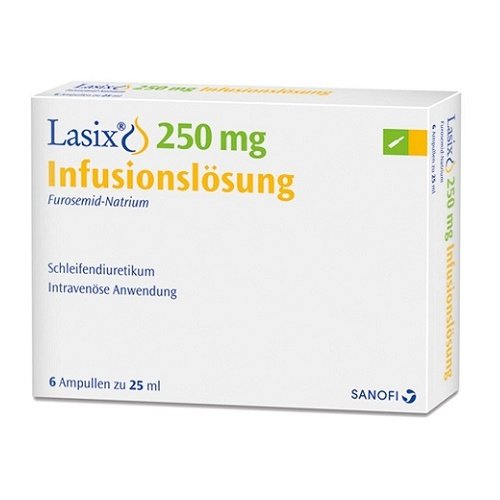
Lasix (active ingredient: furosemide) is one of the most trusted treatments for fluid build-up – known medically as oedema – in the United Kingdom. This powerful diuretic helps your body get rid of excess fluid when your heart, kidneys or liver are struggling. Before starting Lasix, it’s essential to know why your doctor is recommending it for you – and how closely you’ll need to manage dose, side effects, and regular monitoring to stay safe.
The Moment Lasix Enters Your Life: Why This Drug, Why Now?
It often begins quietly—a pair of shoes that no longer fit by evening, a ring you can’t slide off, or waking to see your ankles puffy and tight. For some, it’s an unexpected weight gain; for others, breathlessness walking up stairs. When your doctor mentions Lasix, it’s rarely because of a single symptom. Instead, it’s the culmination of your body signalling that excess fluid is building up—oedema—putting strain on your heart, kidneys, or liver. This is not just about comfort: untreated oedema can mean pressure on your lungs, risk to your circulation, and even hospital admission.
Lasix is not prescribed lightly in United Kingdom. It’s a drug with impact, often reserved for moments when your body’s natural systems for controlling fluid are overwhelmed. But why Lasix, and not one of the other diuretics? What makes furosemide the drug that so many UK doctors reach for? For many, it is about potency and predictability—Lasix can shift litres of fluid in a matter of days, sometimes hours, when the need is urgent.
“I went in for a routine check and came out with a prescription for Lasix. I wasn’t expecting to need a new medication, but my legs were telling a different story.”
For patients in United Kingdom, the choice to start Lasix is less about the drug itself and more about what it represents: a turning point where medical intervention is needed to restore balance, breathe easier, and reclaim daily routines. The question becomes: what will life look like with Lasix—and is it the right tool for you?
Lasix in Daily Life – What Changes, What Doesn’t
Starting Lasix often transforms your relationship with your body. For many, the first days bring dramatic change: swollen ankles shrink, trousers fit again, and breathing comes easier. But Lasix is not magic—it’s a tool. How it fits into your life depends on the cause of your oedema, your other medications, and your body’s response.
One of the most noticeable effects is how often you’ll need the loo. Lasix acts fast—sometimes within an hour—and its impact can last six hours or more. For anyone just starting, timing is everything. Take it before bed, and you may be up all night. Take it before a long trip, and you’ll be hunting for toilets. These small details shape your routines in ways you might not expect.
You may also notice your weight dropping rapidly—sometimes a kilo or two overnight. That’s fluid loss, not fat. For patients monitoring heart failure, this is a crucial sign that Lasix is doing its job. But it also means you need to keep an eye on dehydration, dizziness, and sudden changes in how you feel. Lasix demands attention—not just from your doctor, but from you.
- Daily weighing: UK guidelines often recommend weighing yourself at the same time each morning while on Lasix. A sudden gain or loss (more than 2kg in 3 days) is a red flag—contact your doctor.
- Salt intake: Some patients believe that Lasix means all salt must be banished. In truth, your doctor may not advise a strict salt-free diet—individual needs vary, especially if you’re losing fluids rapidly.
- Potassium: Lasix causes your body to lose potassium. Your GP may recommend blood tests and sometimes potassium supplements, especially if you are also taking other heart medications.
What doesn’t change? The cause of your oedema. Lasix treats the symptom—not the underlying heart, kidney, or liver issue. Keeping up with your other appointments, monitoring, and medications remains just as important as ever.
Lasix, Furosemide, and the Competition: When Is It the Right Pick?
Edema treatment is a landscape of choices, and Lasix (furosemide) is just one player. Why do so many UK doctors reach for Lasix first? Where does it stand compared to alternatives like bumetanide or spironolactone—and when might another option serve you better?
| Attribute | Lasix (Furosemide) | Bumetanide | Spironolactone |
|---|---|---|---|
| Type | Loop diuretic | Loop diuretic | Potassium-sparing diuretic |
| Onset of Action | 30–60 min (oral) | 30–60 min (oral) | Several days |
| Duration | 6–8 hours | 4–6 hours | Longer, gradual effect |
| Power of Fluid Removal | High | Very high | Modest |
| Impact on Potassium | Lowers | Lowers | Raises or maintains |
| When Preferred | Most common first-line for rapid relief | If allergy to furosemide or poor response to Lasix | When potassium loss is an issue or in heart failure |
| Prescription Required in UK? | Yes | Yes | Yes |
| Typical Cost (NHS) | Low, often covered | Low, often covered | Low, often covered |
For most people in United Kingdom, Lasix strikes a balance between fast action, reliability, and cost. If you need rapid relief from swelling or breathlessness, it’s usually first choice. Bumetanide may be considered if Lasix doesn’t work well or causes severe allergy. Spironolactone is often added if low potassium becomes a concern, or in particular types of heart failure. Your doctor’s decision is shaped by your specific medical history, blood test results, and how your symptoms evolve over time.
Which Side Effects Matter Most with Lasix — and When to Act
Every drug that works comes with trade-offs, and Lasix is no exception. Some side effects are expected and manageable; others demand immediate attention.
“The most common mistake I see is patients ignoring the early warning signs of dehydration or low potassium—thinking it’s just part of getting old, or part of the fluid shift. If you start feeling faint, confused, or develop muscle cramps while on Lasix, that’s not something to push through. I want to hear from you before it becomes an emergency. Most of the time, a simple dose adjustment or supplement can keep you safe—if you act early.”
Lasix’s job is to remove excess water from your body. But in doing so, it can also remove sodium, potassium, and other minerals. You may notice increased thirst, headaches, dizziness when standing, or feeling weaker than usual. Occasionally, nausea or ringing in the ears (tinnitus) can appear—especially with higher doses.
- Common but manageable: Needing to urinate more often, mild dehydration, feeling a bit weak
- Red-flag symptoms: Muscle cramps, confusion, severe dizziness, rapid heart rate, new hearing problems, or rash
- Rare but serious: Severe allergic reaction, major drop in blood pressure, hearing loss (usually at very high doses or in kidney disease)
The timing of side effects matters. Most appear in the first weeks of treatment, but some can happen anytime your dose changes or you add new medications. Regular blood tests are a core part of long-term Lasix use, especially for older adults or those on multiple drugs. This helps catch changes in your kidney function or electrolytes before symptoms become dangerous.
Safety Summary Table: When to Contact Your Doctor
| Side Effect | How Common? | When to Contact Your Doctor |
|---|---|---|
| Increased urination | Very common | If excessive or causing weakness/dehydration |
| Low potassium (muscle cramps, weakness) | Common | Immediately if severe cramps or weakness develop |
| Dizziness or fainting | Common | If you cannot stand without feeling faint or fall |
| Hearing changes (ringing, loss) | Uncommon | Immediately if new auditory symptoms appear |
| Rash or allergic reaction | Rare | Immediately if rash, swelling of lips/tongue, or breathing trouble |
| Severe dehydration | Rare (if instructions followed) | Any inability to eat, drink, or worsening confusion |
Remember: the goal is to control your fluid without pushing your body too far. Most side effects can be prevented or reversed if caught early. Keep a symptom diary, ask for regular monitoring, and never hesitate to reach out if something feels wrong. Your safety is the priority.
Lasix Dosage: How Much, How Often, and What Changes It
Dosing with Lasix is personal. There is no ‘one size fits all’ approach. Your starting dose depends on why you need it—heart failure, kidney disease, or liver problems—and how severe your oedema is to begin with. In United Kingdom, NHS guidelines typically recommend a low starting dose, then increase as needed based on daily weight and response.
Most adults begin with 20–40 mg by mouth once a day, often in the morning. Some need a second dose in the afternoon, rarely in the evening (to avoid sleep disruption). Severe cases, especially in hospital, may require much higher doses—sometimes intravenously if the gut cannot absorb the medication well. Older adults and people with kidney or liver disease often need lower doses and closer monitoring.
Blood test results, other medications, and your own symptoms all play into adjustment decisions. For example, if your kidneys are weak, your doctor may start lower or titrate slowly. If your legs are still swollen after a week, your dose may go up. If you develop side effects, the dose may be reduced, or another medication added.
Lasix Dosing Table (UK Typical Adult Dosing – Oedema)
| Condition | Usual Starting Dose | Max Common Dose | Adjustments |
|---|---|---|---|
| Oedema (heart failure, kidney or liver disease) | 20–40 mg once daily (oral) | 80–120 mg daily (oral, split in 1–2 doses) | Increase every 6–12 hours as needed; monitor fluid loss and electrolytes |
| Severe cases/in hospital | 40 mg IV | Up to 200 mg/day IV (hospital only) | Specialist monitoring, titrate to response |
| Older adults | Start low, e.g., 20 mg daily | Lower max, careful monitoring | Monitor for dehydration, confusion |
Never change your dose without speaking to your doctor or pharmacist. Missed doses don’t always need to be ‘caught up’. If you’re unsure, ask. And remember: your response—not just the numbers—guides the best dose for you.
Getting Lasix in United Kingdom: Prescription, Price, Pharmacy, and Online Options
In United Kingdom, Lasix is classified as a prescription-only medication. You cannot legally buy Lasix without prescription from a UK pharmacy, whether in person or online. Your GP or hospital specialist will determine if Lasix is appropriate, issue a prescription, and decide on the dose and monitoring plan. For most patients, especially those with chronic heart or kidney problems, the NHS covers the cost—subject to standard prescription charges.
- Buy Lasix in pharmacy: Present your prescription at any UK community pharmacy. Most will have Lasix or a generic furosemide version (which is equally effective and affordable) in stock.
- Order Lasix online: Many NHS and private pharmacies offer online ordering and delivery within United Kingdom, but you must upload a valid prescription. Sites offering Lasix without prescription are illegal and may be unsafe.
- Purchase Lasix cheap/affordable: In the UK, the standard prescription charge applies unless you qualify for exemption. Genuine Lasix is relatively cheap compared to other medications, especially via NHS.
- Lasix in United Kingdom – access pathways: If prescribed in hospital, you may receive your first doses there; ongoing prescriptions are managed by your GP and dispensed by any UK pharmacy.
For people searching “buy Lasix,” “order Lasix,” or “Lasix in pharmacy” in United Kingdom, the answer is simple: you need a prescription, and your local pharmacist is your best access point. If cost is a concern, ask about generic furosemide, which is just as effective and more affordable. If you see offers like “Lasix cheap” or “Lasix without prescription” online, be wary—these are illegal and potentially dangerous. Safe, affordable Lasix is available via UK pharmacies with proper medical oversight.
When Not to Take Lasix: Absolute and Relative Contraindications
- You are allergic to furosemide or any sulfonamide diuretics. Allergic reactions can be severe and life-threatening.
- You have complete urinary tract obstruction—Lasix can cause fluid overload in your kidneys, or even permanent damage.
- You are severely dehydrated or have very low blood volume. Lasix can worsen dehydration and cause a drop in blood pressure.
- Your doctor has told you that you have severe low potassium or sodium levels—Lasix will make this worse, possibly dangerously so.
- You have hepatic coma (a rare, severe liver problem). Lasix can worsen confusion and coma risk.
- Kidney impairment: If your kidney function is already low, Lasix must be used with regular monitoring or may be avoided entirely.
- Gout: Lasix can increase uric acid levels and trigger attacks.
- Pregnancy and breastfeeding: Use only if your doctor believes benefits outweigh risks.
- Diabetes: Lasix can worsen glucose control—extra monitoring is usually needed.
If you have any of these conditions, do not start Lasix without a full discussion with your GP or specialist. Even with relative risks, close monitoring and clear communication are essential.
Questions Patients Actually Ask about Lasix in United Kingdom (FAQ)
- Can I buy Lasix online in United Kingdom?
- Only with a valid prescription, from a registered UK pharmacy. UK law does not allow Lasix without prescription. Beware any sites offering otherwise – for your safety, always use regulated pharmacies.
- Is it safe to order Lasix without prescription from abroad?
- No. Importing Lasix without prescription is illegal, and there is a serious risk of counterfeit or unsafe medication. Protect your health by only purchasing through UK-regulated channels.
- How much does Lasix cost in UK pharmacies?
- If you buy Lasix in pharmacy with an NHS prescription, the standard charge applies (unless you are exempt). Generic furosemide is available and is usually very affordable.
- What should I do if I miss a dose of Lasix?
- Usually, take your next dose as scheduled – do not double up. For most, missing one dose is not dangerous. If you miss several, or your symptoms worsen, contact your doctor for advice.
- Can I take Lasix with my other medications?
- Lasix interacts with many common drugs, including blood pressure medicines, NSAIDs, and some antibiotics. Always inform your GP or pharmacist about all your current medications before starting Lasix.
- Is it dangerous to use Lasix cheap or generic brands?
- Not in United Kingdom. All versions of Lasix (including generic furosemide) sold in pharmacies meet strict quality standards. “Cheap Lasix” from unregulated sources is unsafe. Buy only from registered UK pharmacies.
- How quickly should I expect Lasix to work?
- Most patients notice an increase in urination and some reduction in swelling within hours of their first dose. Significant improvement in oedema may take several days. If you see no change in a week, speak to your doctor.
- What happens if I take Lasix and experience severe side effects?
- Stop taking Lasix and seek medical help immediately if you develop severe dizziness, confusion, muscle weakness, hearing changes, or allergic symptoms. Early action can prevent complications.
Sources & References
- Furosemide (Lasix) – NHS
- Medicines and Healthcare products Regulatory Agency (MHRA) – UK Government
- Chronic heart failure in adults: diagnosis and management. NICE Clinical Guideline CG108
- Lasix: EPAR – European Medicines Agency
- Lasix Summary of Product Characteristics, EMC UK
- Diuretics for Heart Failure, British Heart Foundation
- Joint Formulary Committee. British National Formulary (BNF). London: BMJ Group and Pharmaceutical Press; latest edition.
- WHO Model List of Essential Medicines